Dr Sarah host a ahow on Harbour Radio every Tuesday at 2pm. Here are soem reports form gher show. See also Unlearning the Armour which Dr Sarah & Dr Toomas discuss on her show.
This week's programme began with a simple question: what do children need nutritionally to learn and thrive at school?
Joining me was Billy, a 19-year-old on his very first day of work experience. As often happens, a fresh perspective brought some of the most interesting observations. We found ourselves talking not just about food, but about memories, taste, learning and the communities we build around meals.
We explored why school meals and school milk were originally introduced. Milk was clearly seen as a nutritional intervention, but school meals may have been about more than nutrition alone. They were about ensuring children arrived in the classroom ready to learn, regardless of their circumstances at home. For some children, then and now, a school meal may be the most substantial meal of the day.
Billy reflected on how food has changed. Older generations often remember school dinners that were unpopular for different reasons – spotted dick, overcooked vegetables and meals that many children dreaded. Today we may have beef burgers, chips and a wider choice, but we questioned whether the food always tastes like people expect it to. Why do some chips taste different? Why do some foods seem oddly uniform? How much of what we eat is real food, and how much is heavily processed?
Rather than seeing this as an argument between "good" and "bad" food, we wondered whether we need to be more honest. The reality is that schools operate under financial pressures. We are unlikely to see a fully staffed fresh-food kitchen in every school. But perhaps there is a middle ground. Could we acknowledge that some ultra-processed food will remain part of school catering, call it what it is, and then invest heavily in what really matters: excellent fruit, vegetables and opportunities for children to experience fresh food every day?
What would five portions of fruit and vegetables a day actually look like in a school setting? Could every child encounter a variety of colours, flavours and textures throughout the school week? Could schools become one of the places where children learn what good food looks and tastes like?
This led us into a wider conversation about food education. We talked about cooking not as an optional extra, but as a life skill. Understanding ingredients, preparing simple meals and learning where food comes from may be just as important as many subjects we teach in the classroom. If children never learn to prepare food, how can we expect them to make healthy choices as adults?
We also discussed some of the practical challenges. Fresh food often has a short shelf life. Food-sharing schemes can be difficult to organise safely. Schools prioritise food differently depending on budgets, facilities and local circumstances. None of these issues are simple.
One particularly interesting discussion focused on taste and texture. Early experiences of food matter. Exposure to a wide range of tastes, smells and textures during childhood may help build confidence around food. We wondered whether limited exposure could contribute to difficulties later in life, including highly restricted eating patterns, food anxiety, ARFID Avoidant/Restrictive Food Intake Disorder. and other forms of disordered eating. While there are many causes of these conditions, it seems reasonable to ask whether helping children explore food from a young age might be part of the solution.
Perhaps most importantly, we recognised that people do not choose food based solely on nutrition. They choose food because it tastes good, because it is affordable, because it is familiar, and often because it allows them to spend time with people they care about. Some of our strongest memories are not of what we ate, but of who we shared it with.
 As the conversation developed, we moved beyond school meals and into broader questions about food access, poverty and community. Great Yarmouth sits within one of the country's most productive agricultural regions, yet we know some local families still struggle to access healthy food. We have food banks, community fridges, food stores, community kitchens and dedicated volunteers. The challenge is often not whether food exists, but whether people can access it, store it, prepare it and enjoy it with dignity.
The Right to Food UK Commission - led by Ian Byrne MP - is currently gathering evidence from communities across the country. Whether or not its recommendations directly change national policy, the process invites us to think about what food means in our own communities.
For me, the most encouraging part of the discussion was recognising the strengths that already exist in Great Yarmouth. The voluntary sector, schools, community groups, faith organisations and local residents are already doing remarkable work. Perhaps the challenge is not to start from scratch, but to better understand what works, what is missing and what we can build together.
Because in the end, food is not simply about feeding people. It is about learning, health, confidence, culture, friendship and community. It is about the opportunities we give our children, and the kind of place we want Great Yarmouth to be.
- Details
- Written by: Sarah Flindall
The Remarkable Organ That Never Stops
Every day, your heart beats around 100,000 times and pumps thousands of litres of blood around your body. Most of us only think about our heart when something goes wrong, but the story of the heart begins long before we are born and continues throughout our entire lives.
 The First Organ to Come Alive
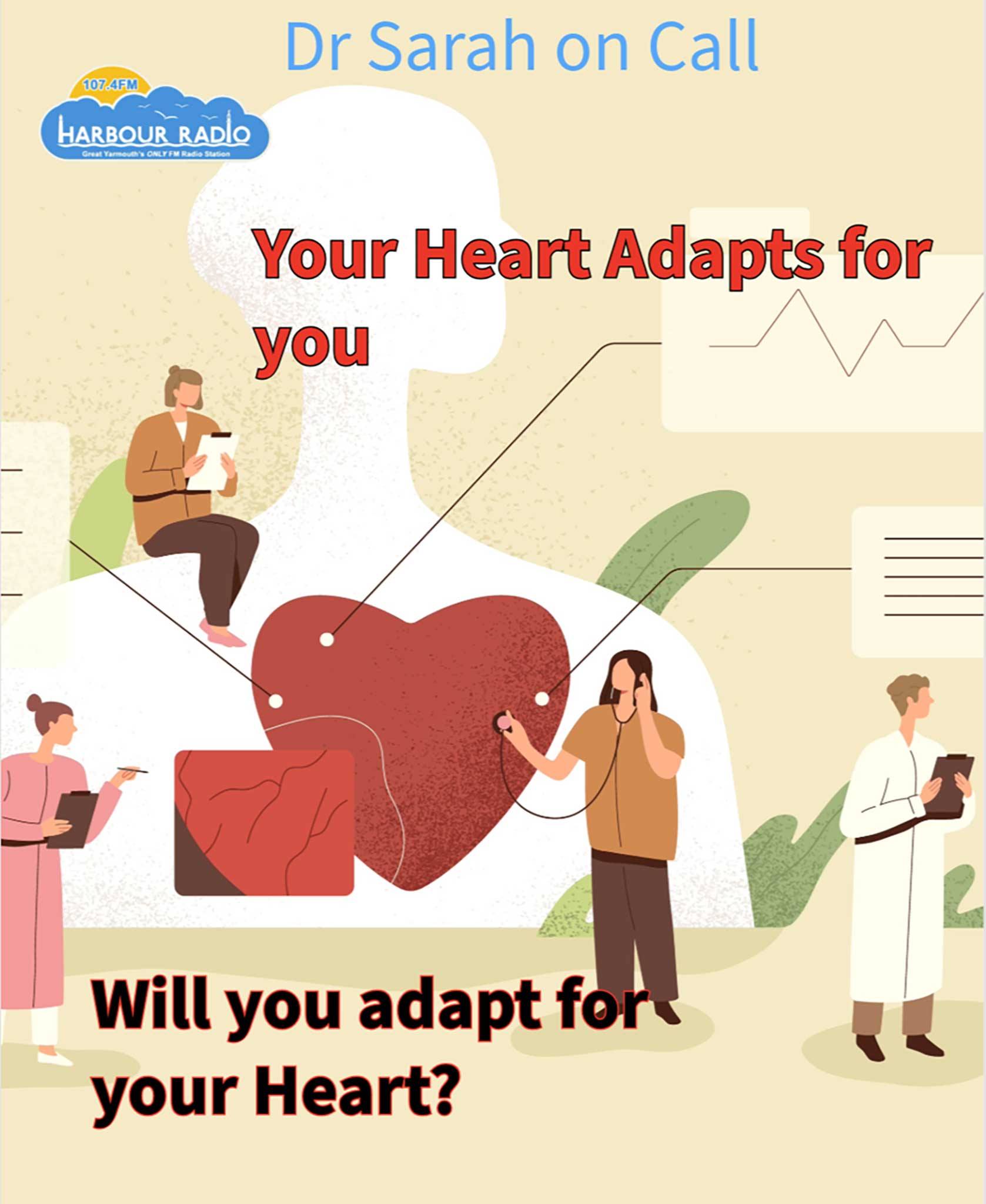
The heart is one of the first organs to develop in a growing baby. Just three weeks after conception, a simple tube of cells begins to form. Within days, that tube starts to beat.
Over the next few weeks, it twists, folds and divides to create the four-chambered heart that will support us for the rest of our lives. By the end of the first two months of pregnancy, the basic structure of the heart is already in place.
Remarkably, the heart begins working before many mothers even know they are pregnant.
A Lifetime of Adaptation
The heart is not simply a pump that gradually wears out. It is a living organ that continuously adapts to the demands placed upon it.
During childhood, the heart grows alongside the rest of the body. In early adulthood, it reaches peak performance, capable of responding to exercise, stress and illness with impressive efficiency.
As we age, the heart continues to remodel itself. Arteries become less elastic, valves may stiffen, and the electrical system becomes more vulnerable to rhythm disturbances such as atrial fibrillation. Yet many people maintain excellent heart function well into old age.
The First Few Weeks Can Influence a Lifetime
Modern research has revealed something fascinating: the environment we experience before birth may influence our health decades later.
During pregnancy, the developing baby receives signals about nutrition, oxygen supply and maternal health. These signals help shape the growth of organs including the heart, blood vessels and kidneys.
Scientists have found that factors affecting growth before birth can influence the risk of conditions such as hypertension, heart disease and diabetes later in life. This does not determine our future, but it helps explain why health is influenced by both our genes and our environment from the very beginning of life.
What Damages the Heart?
Although the heart is resilient, several common factors can gradually damage it over time.
High Blood Pressure
When blood pressure is elevated, the heart must work harder to pump blood around the body. Initially, the heart muscle thickens to cope with the extra workload. Over many years, however, this can lead to stiffness, breathlessness, heart failure and abnormal heart rhythms.
High Cholesterol
Cholesterol contributes to the build-up of fatty plaques within the arteries. When these plaques narrow the coronary arteries, the heart receives less oxygen-rich blood. If a plaque ruptures and a clot forms, a heart attack can occur.
Obesity
Excess weight increases the workload on the heart and raises the risk of high blood pressure, diabetes and sleep apnoea. Obesity is also strongly linked to atrial fibrillation and other cardiovascular conditions.
Smoking
Smoking damages blood vessels, promotes clot formation and reduces oxygen delivery throughout the body. It remains one of the most important preventable causes of heart disease, stroke and vascular disease.
Alcohol
Excess alcohol can raise blood pressure, trigger abnormal heart rhythms and, over time, weaken the heart muscle itself. While the effects depend on the amount consumed, reducing alcohol intake can have significant benefits for heart health.
Can the Heart Repair Itself?
For many years, doctors believed that heart muscle could never regenerate. We now know that the heart can replace a small number of its cells throughout life, but not enough to fully repair major damage such as that caused by a heart attack.
When heart muscle dies, the body replaces it with scar tissue. Scientists around the world are exploring ways to stimulate heart regeneration, including stem cells, gene therapy and tissue engineering. While these approaches are promising, large-scale heart regeneration is not yet part of routine medical care.
Looking After Your Heart
The good news is that many of the most important influences on heart health are within our control.
Regular physical activity, a balanced diet, maintaining a healthy weight, avoiding smoking, moderating alcohol intake and managing conditions such as high blood pressure and diabetes can all make a significant difference.
The Heart of the Matter
The heart's journey begins as a tiny tube of cells just weeks after conception. It develops, adapts and responds to everything we experience throughout life. Every heartbeat reflects a lifetime of biology, environment, choices and experiences.
Far more than a simple pump, the heart is a remarkable organ that tells the story of our lives—one beat at a time. ❤️
If you have concerns about your heart health, speak to your GP or healthcare professional. Early detection and prevention remain some of the most powerful tools we have in protecting this extraordinary organ.
- Details
- Written by: Sarah Flindall
What Are We Actually Giving People?
Vaccines are one of the most successful public health interventions in human history — but many people don’t actually know what’s in them, what diseases they prevent, or why we give so many across life.
 In the UK, vaccines begin in infancy and continue through childhood, pregnancy, adulthood and older age. Some protect against fast-moving infections like meningitis or measles. Others prevent long-term complications such as liver cancer from hepatitis B or cervical cancer from HPV.
The childhood “6-in-1” vaccine protects against six serious diseases:
- diphtheria, which can block the airway and damage the heart,
- tetanus, causing severe muscle spasms and lockjaw,
- whooping cough, which can stop babies breathing,
- polio, which can cause paralysis,
- Hib, a major cause of meningitis and airway infection,
- and hepatitis B, a virus linked to cirrhosis and liver cancer.
Other vaccines protect against meningitis, pneumonia, rotavirus diarrhoea, flu, shingles, RSV and COVID-19.
One concern people often raise is whether giving multiple vaccines at once overwhelms the immune system. In reality, the immune system is exposed to thousands of antigens every day through breathing, eating and normal life. Modern vaccines actually contain far fewer antigens than older vaccines did decades ago. The immune system is designed to recognise many different threats at the same time.
Vaccines can cause side effects — and it’s important to be honest about that. The common ones are mild:
- sore arm,
- fever,
- tiredness,
- muscle aches.
Rarely, more serious reactions can occur, such as severe allergy or specific immune complications, but these are extremely uncommon and are monitored carefully.
What’s often forgotten is that the infections themselves usually carry much greater risks. Measles can cause encephalitis. Flu can lead to pneumonia. COVID-19 can cause clotting and long-term complications. Vaccination is essentially a controlled training exercise for the immune system rather than exposure to the full disease.
Perhaps the most important shift in modern vaccination is that we are no longer only preventing childhood death — we are now preventing disability, frailty and even cancer across the whole of life.
- Details
- Written by: Sarah Flindall
Pain
Most of us grow up believing pain works like this:
 Something hurts → take a tablet → pain disappears.
And sometimes that’s true. Medicines like Ibuprofen and Morphine can be very effective, especially for short-term pain after injury or surgery.
But chronic pain is different.
Around 1 in 5 adults live with pain lasting months or years, and modern medicine is increasingly recognising that persistent pain is not always simply a sign of ongoing damage. Pain is part of the body’s protective system — influenced not only by injury, but also by stress, fear, movement, sleep, confidence, and how safe the brain believes the body is.
That doesn’t mean pain is “imaginary.” The pain is completely real. But it does mean there is rarely a single switch to turn it off.
This has led to a major shift in healthcare. Instead of focusing only on “removing pain,” many pain services now focus on helping people:
- understand pain better
- regain movement and strength
- reduce fear and isolation
- improve sleep and confidence
- live fuller lives even if some pain remains
For some people this can feel uncomfortable — even like being told to “just live with it.” But the intention is not abandonment. It is recognising that long-term pain often needs more than medication alone.
The goal becomes:
not simply reducing pain, but helping people get their lives back.
Drugs still matter. They have an important place. But the growing understanding is that pain is not just something to switch off — it is a whole-body system that can sometimes be calmed, retrained, and turned down over time.
https://www.mixcloud.com/harbourradio/dr-sarah-on-call-expt-11-pain/
- Details
- Written by: Sarah Flindall
🌞Friend and Foe 🥵
The Sun is the reason we’re all here.
 It powers Photosynthesis—that’s how plants grow, which feeds animals, which feeds us. No Sun, no life.
It also keeps us warm, helps our bodies make vitamin D for strong bones, and even boosts our mood. Ever noticed how a sunny day just feels better? That’s real—sunlight helps regulate our body clock and can protect against Seasonal Affective Disorder.
But here’s the flip side.
Too much Sun can damage your skin. Ultraviolet rays can lead to Skin cancer, speed up ageing, and even harm your eyes. And when heat builds up, it can lead to dehydration or heatstroke.
So the message isn’t “avoid the Sun”—it’s “respect it.”
Get outside. Enjoy it.
But when it’s strong—cover up, wear sunscreen, and stay hydrated.
Because the same Sun that gives us life… can take it away if we ignore it.
Stay safe—and enjoy the light.
https://www.mixcloud.com/harbourradio/dr-sarah-on-call-experiment-13-with-sunshine/
- Details
- Written by: Sarah Flindall
Our eyes are extraordinary
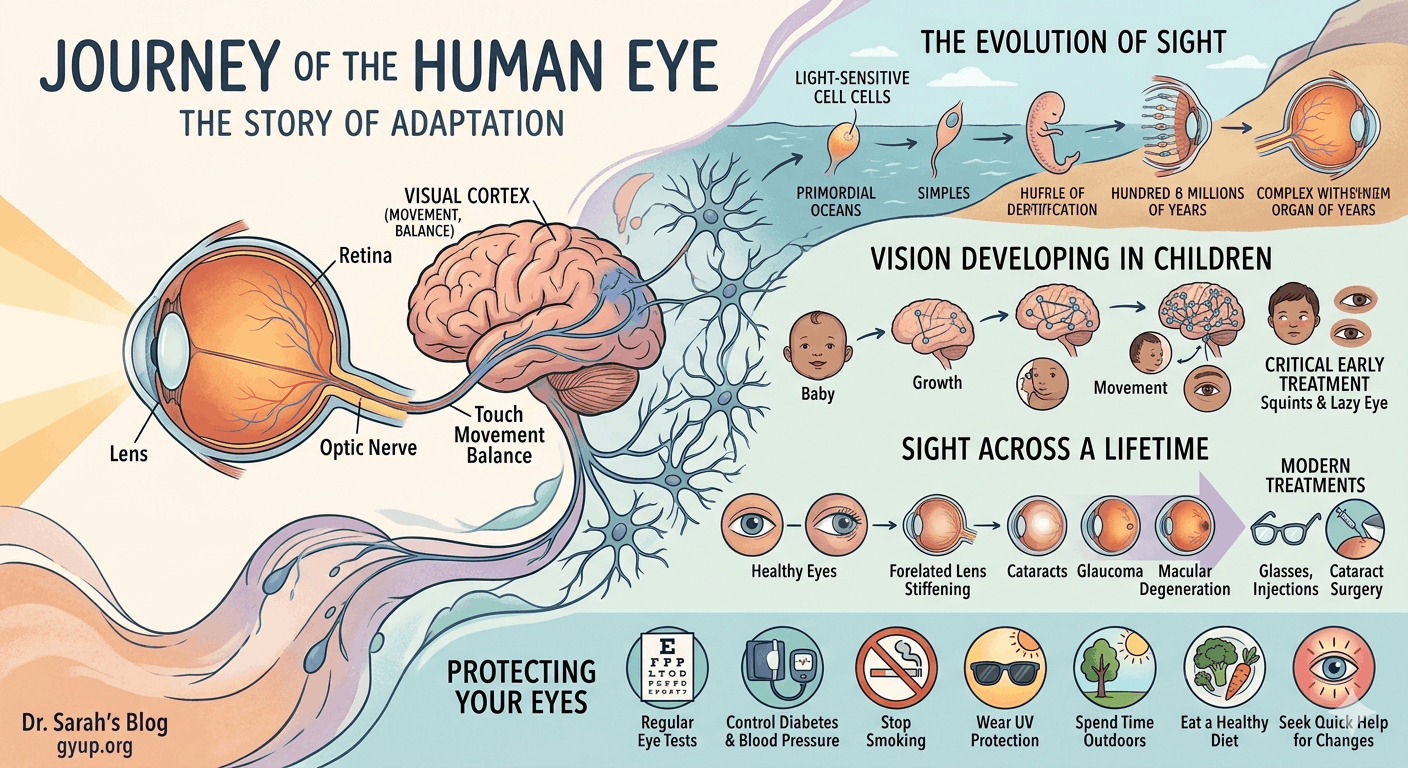 They began as simple light-sensitive cells hundreds of millions of years ago and gradually evolved into one of the most complex organs in the human body. The eye is not just a camera — it is actually an extension of the brain, constantly sending electrical signals that the brain turns into the world we experience. Visual input is constantly integrated with touch, movement, and balance. Close your eyes for a moment, or minute or an hour and all your senses will miss their amazing impact!
Children are not born with fully developed vision. Babies learn to see over time as the brain builds connections through experience, movement, faces, and interaction. That is why early eye problems such as squints, lazy eye, or severe short-sightedness are so important to detect early — because the visual brain is still developing and can often be helped remarkably well with treatment.
As we get older, the eyes change too. Many people develop reading difficulties as the lens stiffens, while conditions such as cataracts, glaucoma, macular degeneration become more common. The good news is that modern treatments — including glasses, injections, and cataract surgery — can preserve or dramatically improve sight for many people.
There is also a lot we can do to protect our eyes:
- regular eye tests
- controlling diabetes and blood pressure
- stopping smoking
- wearing UV protection
- spending time outdoors
- eating a healthy diet
- seeking help quickly if vision suddenly changes
The story of the eye is really the story of adaptation — how biology, the brain, and human experience work together across an entire lifetime.
- Details
- Written by: Sarah Flindall
How Sweetness Changed Us
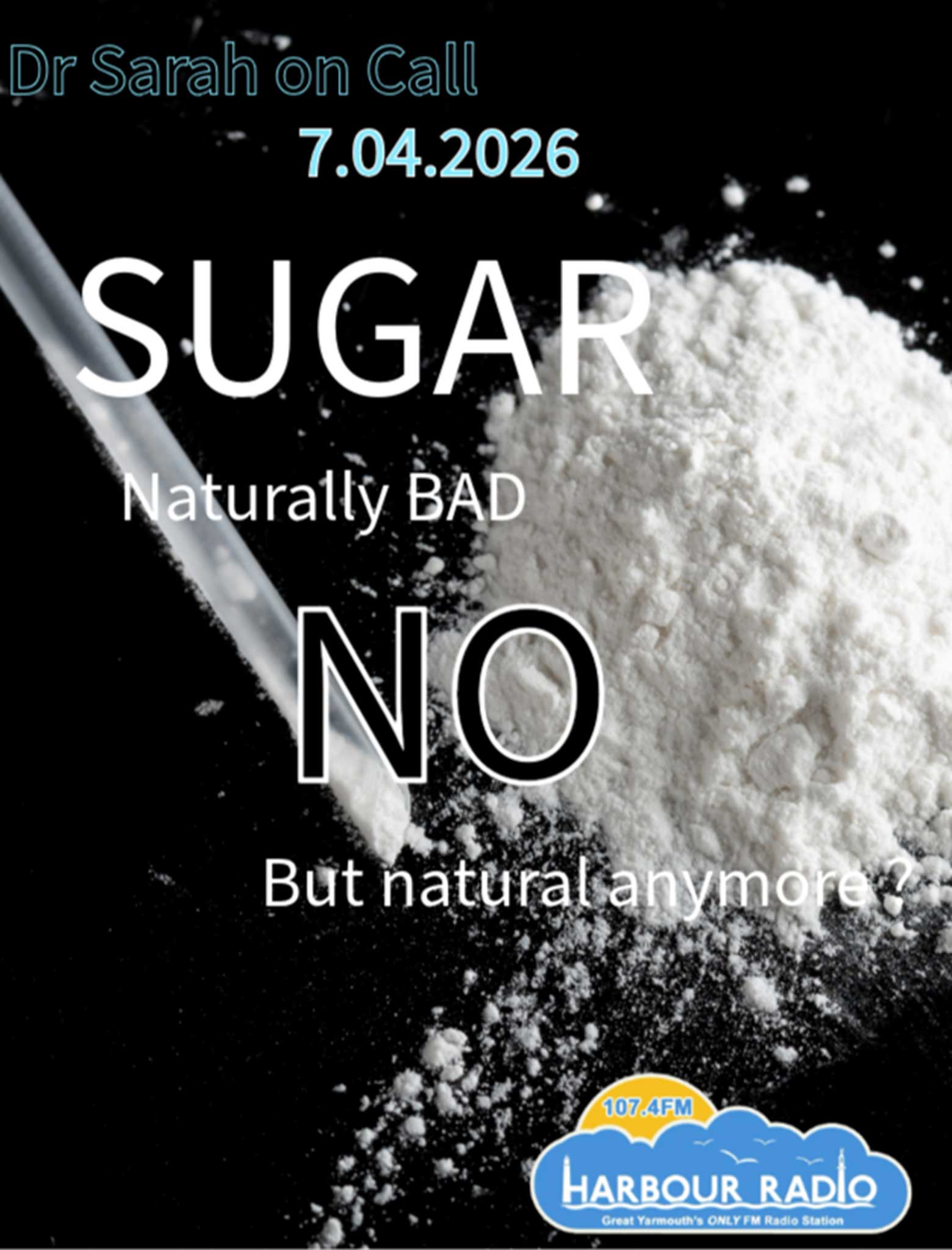 Sugar didn’t start as the white crystals we sprinkle into tea. It began as a plant—something you had to grow, cut, and chew. Early sugar from Saccharum officinarum (sugar cane) was slow, fibrous, and naturally limited. You worked for the sweetness, and your body processed it gradually.
The turning point came with processing.
As sugar moved from plant to product, it was crushed, heated, filtered, and refined until it became almost pure sucrose. In doing so, something subtle but important changed. The fibre, nutrients, and structure that once slowed absorption were removed. What remained was fast, concentrated energy—easy to store, transport, and add to almost anything.
This shift made sugar more than just an ingredient. It made it efficient.
Historically, that efficiency fuelled global systems. Sugar plantations expanded across the Caribbean and the Americas, powered by enslaved labour within the transatlantic slave trade. Later, when slavery was abolished, indentured labour systems took its place. Sugar wasn’t just a food—it became part of a vast economic engine that shaped nations, trade, and inequality.
- Details
- Written by: Sarah Flindall
 What Water Reveals About Society
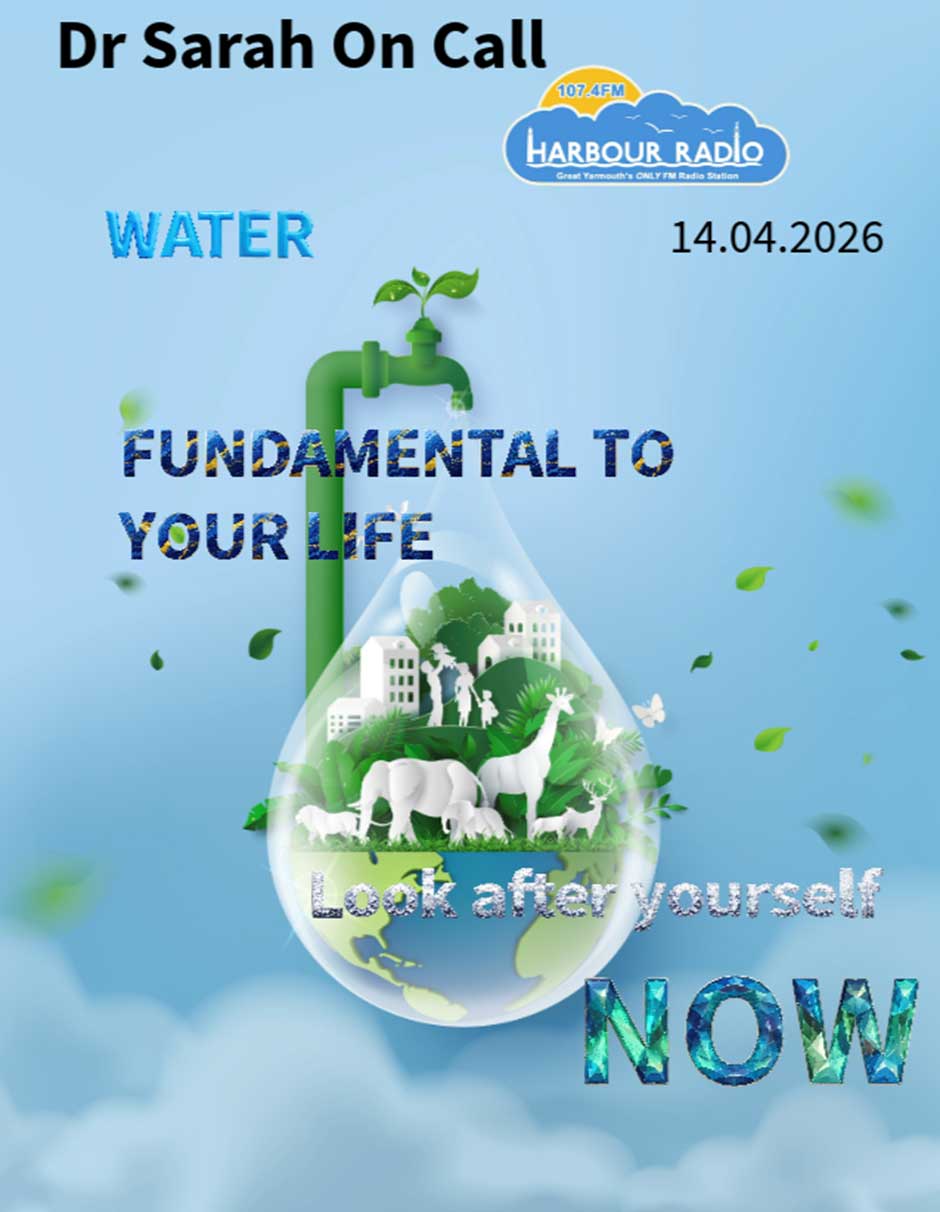
Water feels simple. You turn on a tap, fill a glass, and drink. But behind that everyday action sits one of the most complex — and fragile — systems we rely on.
At a basic level, water is essential to life. It enables every process in the body, from transporting nutrients to regulating temperature. But at a societal level, something even more interesting has happened: we’ve taken a natural resource and engineered it into something reliable, safe, and instantly available.
That reliability didn’t happen by accident. Historically, people drank from rivers, wells, and springs — often unknowingly consuming contaminated water. It wasn’t until the 19th century, when links between water and disease became clear, that modern systems emerged. Filtration, chlorination, and piped distribution transformed public health. Clean tap water quietly became one of the greatest successes of modern society.
- Details
- Written by: Sarah Flindall
 What's Really Going On Inside the Body?
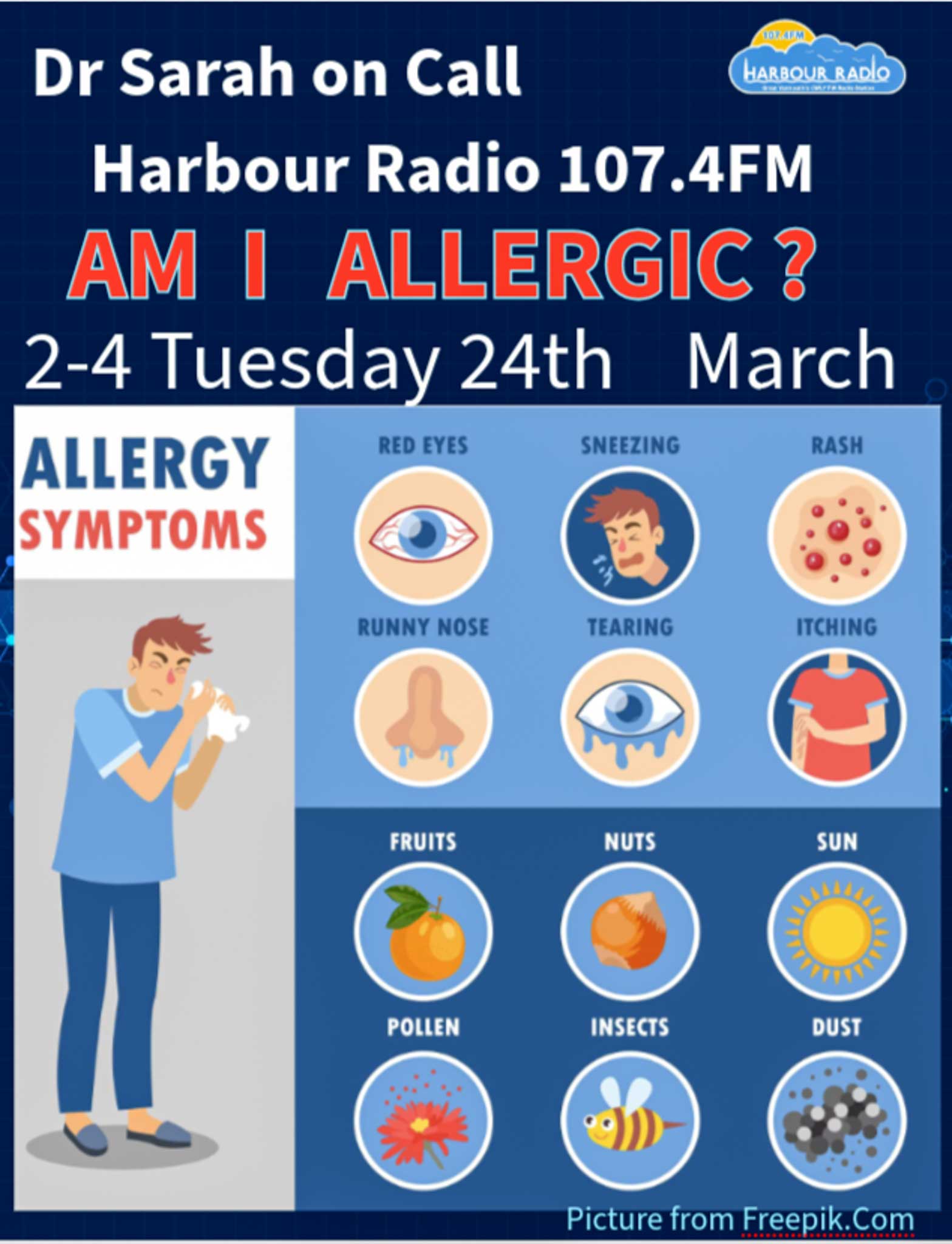
Allergies can feel mysterious — why can one person eat peanuts without a problem, while another has a life-threatening reaction?
At its core, an allergy is a case of mistaken identity.
Your immune system is designed to protect you. Every day — especially in your gut and lungs — it's making decisions about what's safe and what's dangerous. Most of the time, it gets this right, tolerating food, pollen, and everyday substances without any fuss.
But sometimes, it learns the wrong lesson.
- Details
- Written by: Sarah Flindall
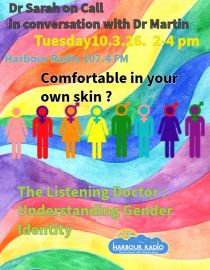 Gender Identity Treatment: A Conversation in Medicine
In this episode we explore a subject that has become one of the most discussed – and sometimes misunderstood – areas of modern healthcare: gender identity treatment.
Rather than focusing on headlines or social media debates, the aim of this conversation is to understand how medicine approaches gender dysphoriadistress from a mismatch between assigned sex and gender identity., what treatments exist, and why the topic continues to generate discussion among clinicians and the public.
- Details
- Written by: Sarah Flindall
 On Dr Sarah On Call for Harbour Radio, I had the chance to share the music that has empowered me through life’s turning points ~ the songs that helped me breathe again, stand a little taller, and remember who I am when everything felt shaky. We talked about my journey from the school playground to more than 60 years rooted in Great Yarmouth, including the impact of bullying, relationship breakdown, and the quiet courage it takes to rebuild and start again. I also spoke honestly about the realities of business success and failure, redundancy, and the life-changing shift into ill-health retirement following long Covid ~ a chapter that asked me to slow down, listen deeper, and find new ways to live and work with compassion for my own limits.
From there, the conversation naturally moved into my writing and the heart behind my books, especially Time to Shine. I shared how the royalties from that cosy romance novel have been donated to GYUP, because community matters to me and I believe in giving back to the place that shaped me. We also explored what I’m building through Awakened Realm ~ gentle, soul-led courses for women navigating change, plus a membership community designed to feel like a safe, supportive circle rather than another noisy online space. And for the women of the Great Yarmouth Borough, I introduced an unmissable membership offer ~ an invitation to take a first step towards calm, confidence, and a renewed sense of purpose, in a way that feels grounded, accessible, and truly supportive.
- Details
- Written by: Jax Southam
The Magic and Balance of Conception and Contraception
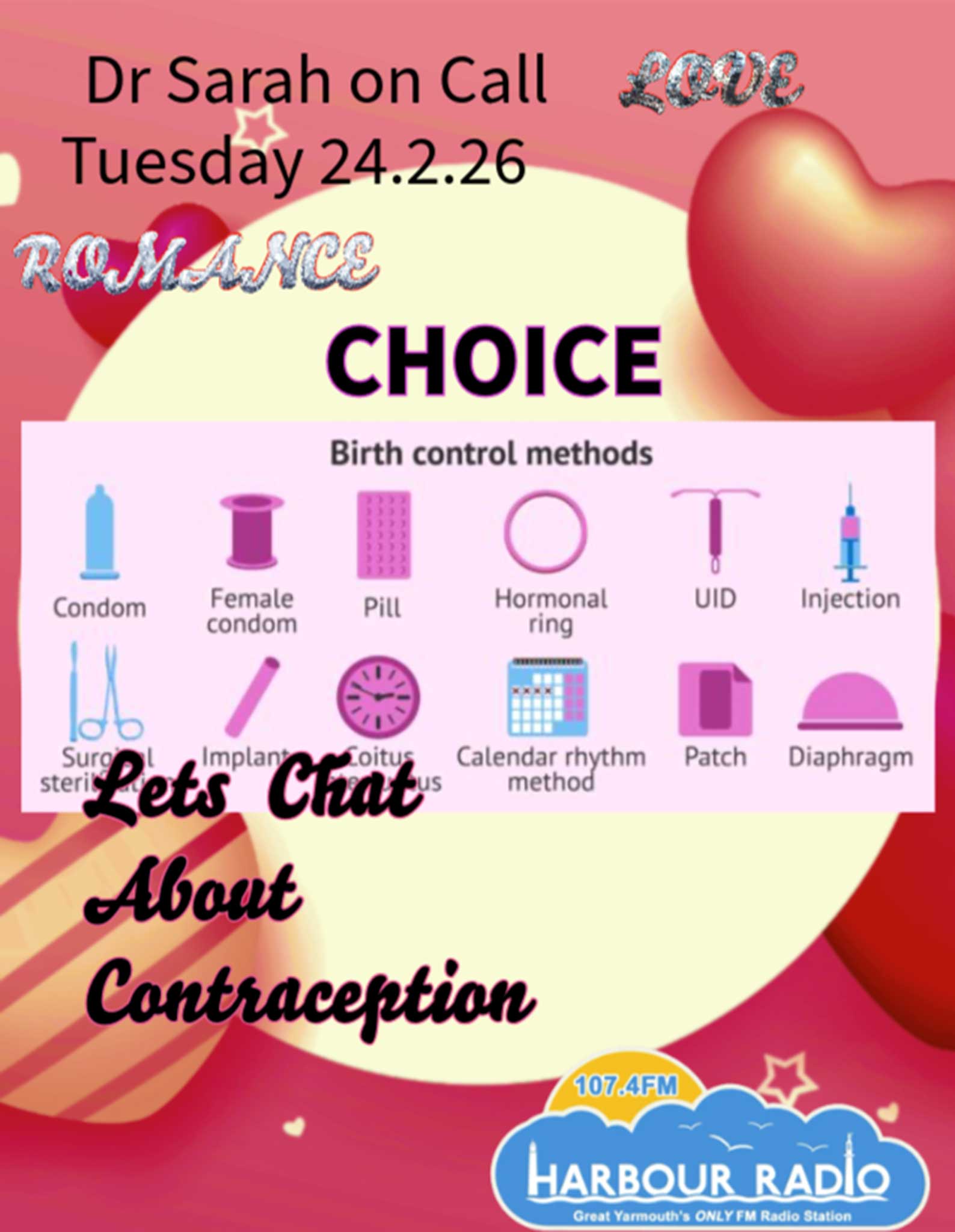 For centuries, we told stories about where babies come from:
- Storks flying over rooftops.
- Babies found in cabbage patches.
- Spirit children choosing their mothers.
These myths weren’t foolish. They reflected something profound: the mystery and magic of conception. Before microscopes and hormones, pregnancy felt miraculous. It still is. Even now, when we understand the biology, the creation of life carries awe. As societies evolved, so did our understanding. We learned how conception works — and eventually, how to separate sex from reproduction. That separation is sometimes framed as a loss of innocence or tradition. But it can also be seen as a remarkable human achievement. The ability to choose when — or whether — to have a child is not a burden. It is an opportunity. It allows:
- Details
- Written by: Sarah Flindall
Some lives are shaped by a powerful combination: passionate belief in what’s possible, and relentless drive to see things through.
Geoff grew up with both.
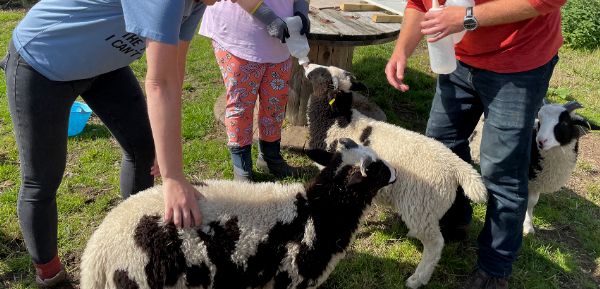 He loved cricket — but it was the era of Ian Botham. He loved tennis — but the court was ruled by Björn Borg. From early on, he understood something important: wanting to be the best and actually becoming the best are two different things. The world is full of giants.
But instead of shrinking his ambition, that realisation sharpened it.
- Details
- Written by: Sarah Flindall
Health Awareness: Bacteria, Viruses, and Recovery
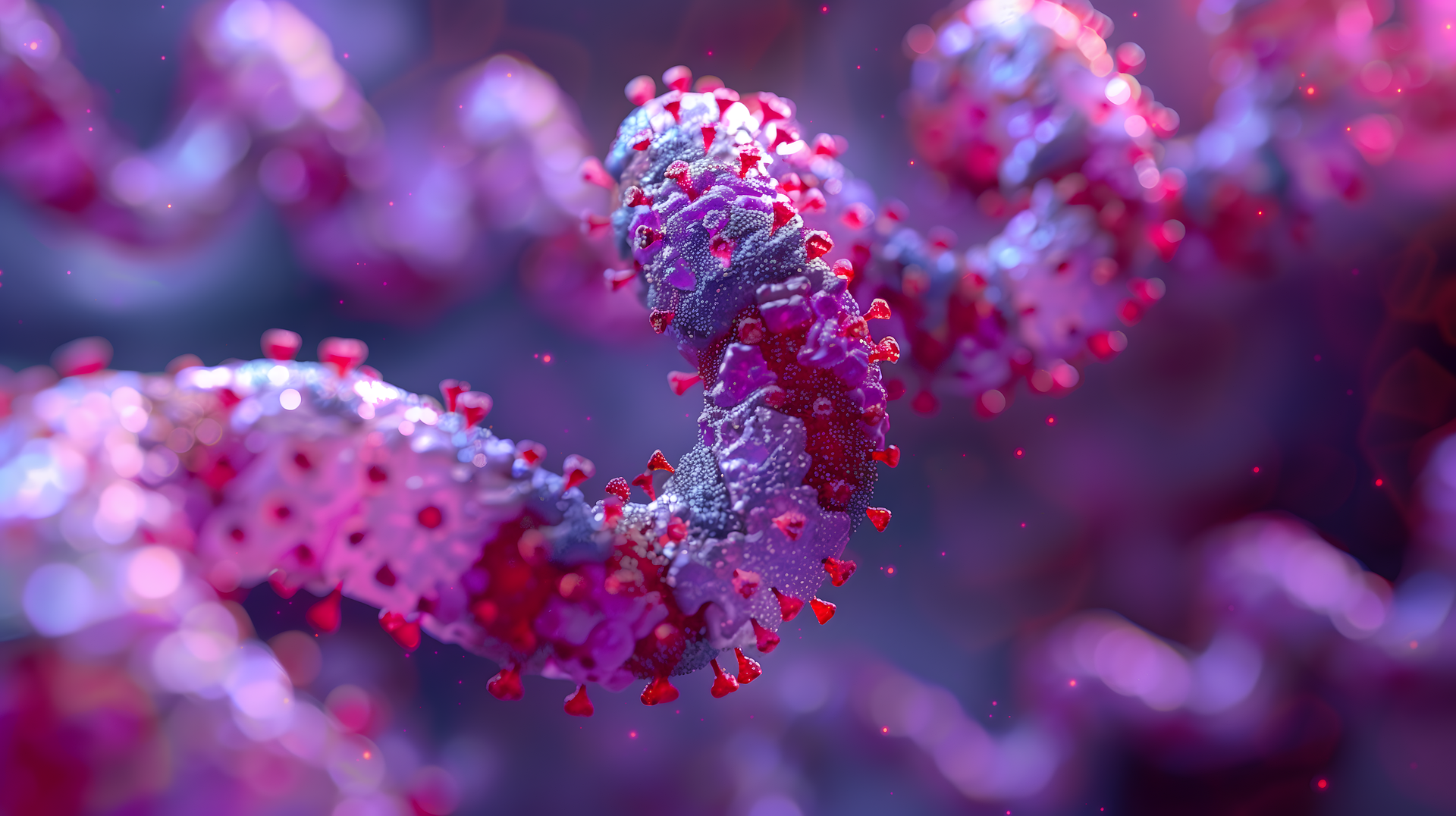 We explored an important health topic: how to tell the difference between bacterial and viral infections, and why it matters.
Both can cause fever, sweating, and coughing, but:
Bacterial infections tend to affect a specific area and may involve pus. These can respond to antibiotics.
Viral infections trigger a wider immune response, often causing runny nose, eye symptoms, cough, muscle aches, headaches, and fatigue. Antibiotics don’t help.
- Details
- Written by: Sarah Flindall
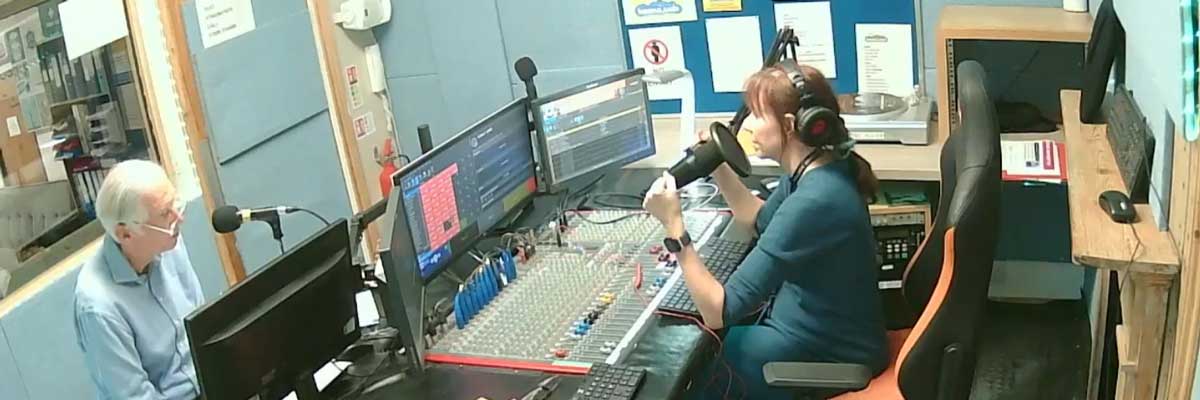
Inspired by Geoffrey Smart — Thoughts on Humanity
From Physics to People to Politics
On the 13th January Geoffrey Smart Joind me on my Harbour Radio Show, Geoffrey is the author of "A Few Thoughts on Humanity - From Physics to People to Politics"
Some books don’t give you answers. They quietly rearrange the way you think. A Few Thoughts on Humanity is one of those books. It takes you on a journey that starts with physics, travels through biology, and lands squarely in the heart of what it means to be human. It moves from atoms to people, from molecules to morality, from science to society. And what it asks, again and again, is this:
- Details
- Written by: Sarah Flindall
Linda and Shelley : Bowel Cancer Specialist Nurse Team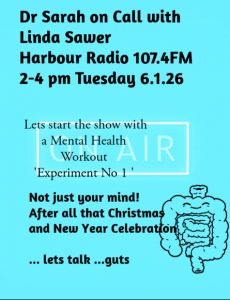
Inspiration: The journey from 'what I wanted to be when I was young' to TODAY.
This journey was through travel, adults education, NHS nursing (on the other side of the world and back) to building a team who care and wrap around those who have had that heart stopping moment of a diagnosis of bowel cancer.
- Details
- Written by: Sarah Flindall
Doctor Sarah on Harbour Radio!
On Tuesday 8 January, Doctor Sarah took to the airwaves on Harbour Radio 107.4 FM, delivering an insightful show ... check it out on Facebook.
- Details
- Written by: Sarah Flindall