
The Remarkable Organ That Never Stops
Every day, your heart beats around 100,000 times and pumps thousands of litres of blood around your body. Most of us only think about our heart when something goes wrong, but the story of the heart begins long before we are born and continues throughout our entire lives.
 The First Organ to Come Alive
The heart is one of the first organs to develop in a growing baby. Just three weeks after conception, a simple tube of cells begins to form. Within days, that tube starts to beat.
Over the next few weeks, it twists, folds and divides to create the four-chambered heart that will support us for the rest of our lives. By the end of the first two months of pregnancy, the basic structure of the heart is already in place.
Remarkably, the heart begins working before many mothers even know they are pregnant.
A Lifetime of Adaptation
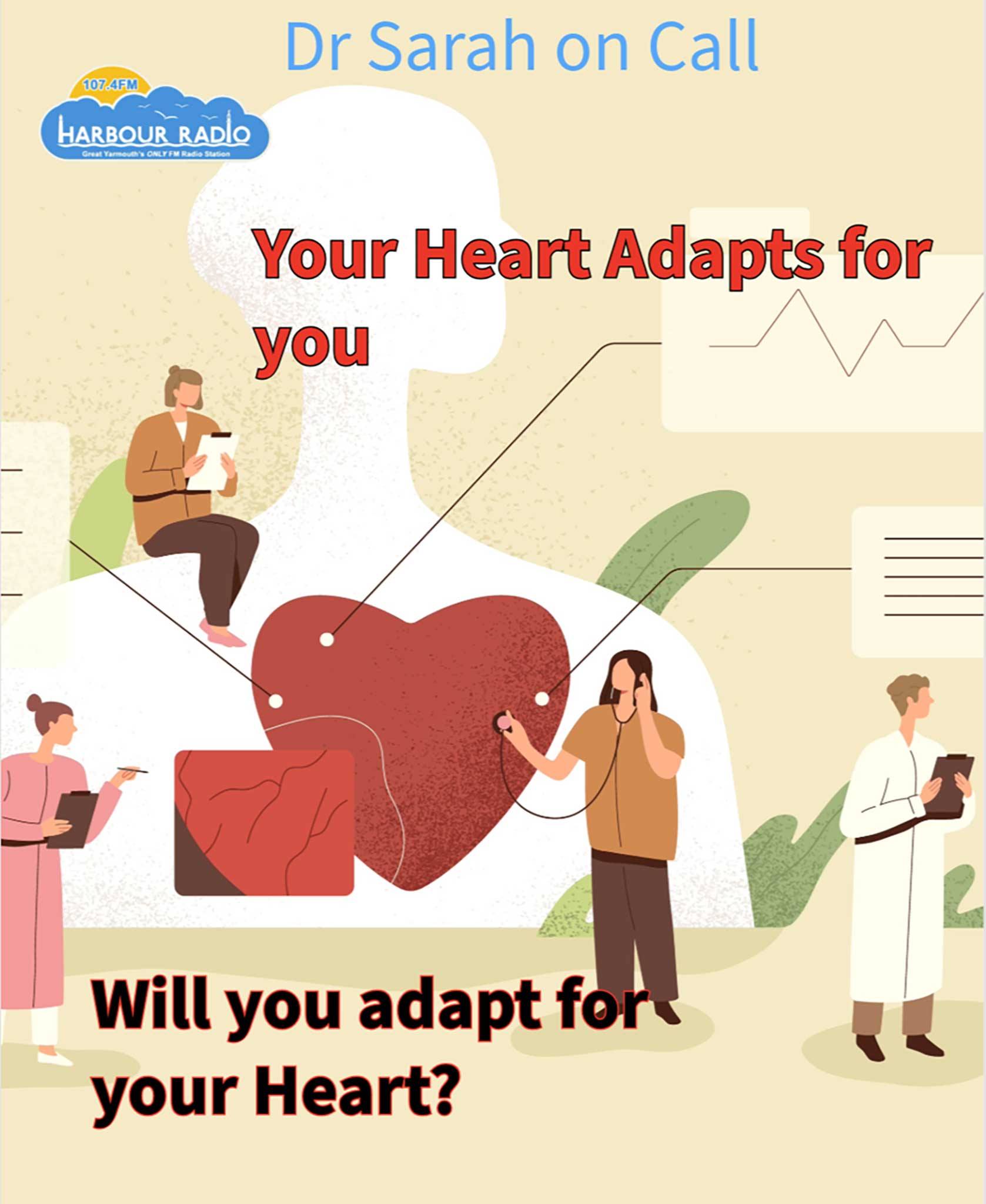
The heart is not simply a pump that gradually wears out. It is a living organ that continuously adapts to the demands placed upon it.
During childhood, the heart grows alongside the rest of the body. In early adulthood, it reaches peak performance, capable of responding to exercise, stress and illness with impressive efficiency.
As we age, the heart continues to remodel itself. Arteries become less elastic, valves may stiffen, and the electrical system becomes more vulnerable to rhythm disturbances such as atrial fibrillation. Yet many people maintain excellent heart function well into old age.
The First Few Weeks Can Influence a Lifetime
Modern research has revealed something fascinating: the environment we experience before birth may influence our health decades later.
During pregnancy, the developing baby receives signals about nutrition, oxygen supply and maternal health. These signals help shape the growth of organs including the heart, blood vessels and kidneys.
Scientists have found that factors affecting growth before birth can influence the risk of conditions such as hypertension, heart disease and diabetes later in life. This does not determine our future, but it helps explain why health is influenced by both our genes and our environment from the very beginning of life.
What Damages the Heart?
Although the heart is resilient, several common factors can gradually damage it over time.
High Blood Pressure
When blood pressure is elevated, the heart must work harder to pump blood around the body. Initially, the heart muscle thickens to cope with the extra workload. Over many years, however, this can lead to stiffness, breathlessness, heart failure and abnormal heart rhythms.
High Cholesterol
Cholesterol contributes to the build-up of fatty plaques within the arteries. When these plaques narrow the coronary arteries, the heart receives less oxygen-rich blood. If a plaque ruptures and a clot forms, a heart attack can occur.
Obesity
Excess weight increases the workload on the heart and raises the risk of high blood pressure, diabetes and sleep apnoea. Obesity is also strongly linked to atrial fibrillation and other cardiovascular conditions.
Smoking
Smoking damages blood vessels, promotes clot formation and reduces oxygen delivery throughout the body. It remains one of the most important preventable causes of heart disease, stroke and vascular disease.
Alcohol
Excess alcohol can raise blood pressure, trigger abnormal heart rhythms and, over time, weaken the heart muscle itself. While the effects depend on the amount consumed, reducing alcohol intake can have significant benefits for heart health.
Can the Heart Repair Itself?
For many years, doctors believed that heart muscle could never regenerate. We now know that the heart can replace a small number of its cells throughout life, but not enough to fully repair major damage such as that caused by a heart attack.
When heart muscle dies, the body replaces it with scar tissue. Scientists around the world are exploring ways to stimulate heart regeneration, including stem cells, gene therapy and tissue engineering. While these approaches are promising, large-scale heart regeneration is not yet part of routine medical care.
Looking After Your Heart
The good news is that many of the most important influences on heart health are within our control.
Regular physical activity, a balanced diet, maintaining a healthy weight, avoiding smoking, moderating alcohol intake and managing conditions such as high blood pressure and diabetes can all make a significant difference.
The Heart of the Matter
The heart's journey begins as a tiny tube of cells just weeks after conception. It develops, adapts and responds to everything we experience throughout life. Every heartbeat reflects a lifetime of biology, environment, choices and experiences.
Far more than a simple pump, the heart is a remarkable organ that tells the story of our lives—one beat at a time. ❤️
If you have concerns about your heart health, speak to your GP or healthcare professional. Early detection and prevention remain some of the most powerful tools we have in protecting this extraordinary organ.