
❤️ The most common heart question isn’t medical. It’s human: “Is this coming from my heart?”
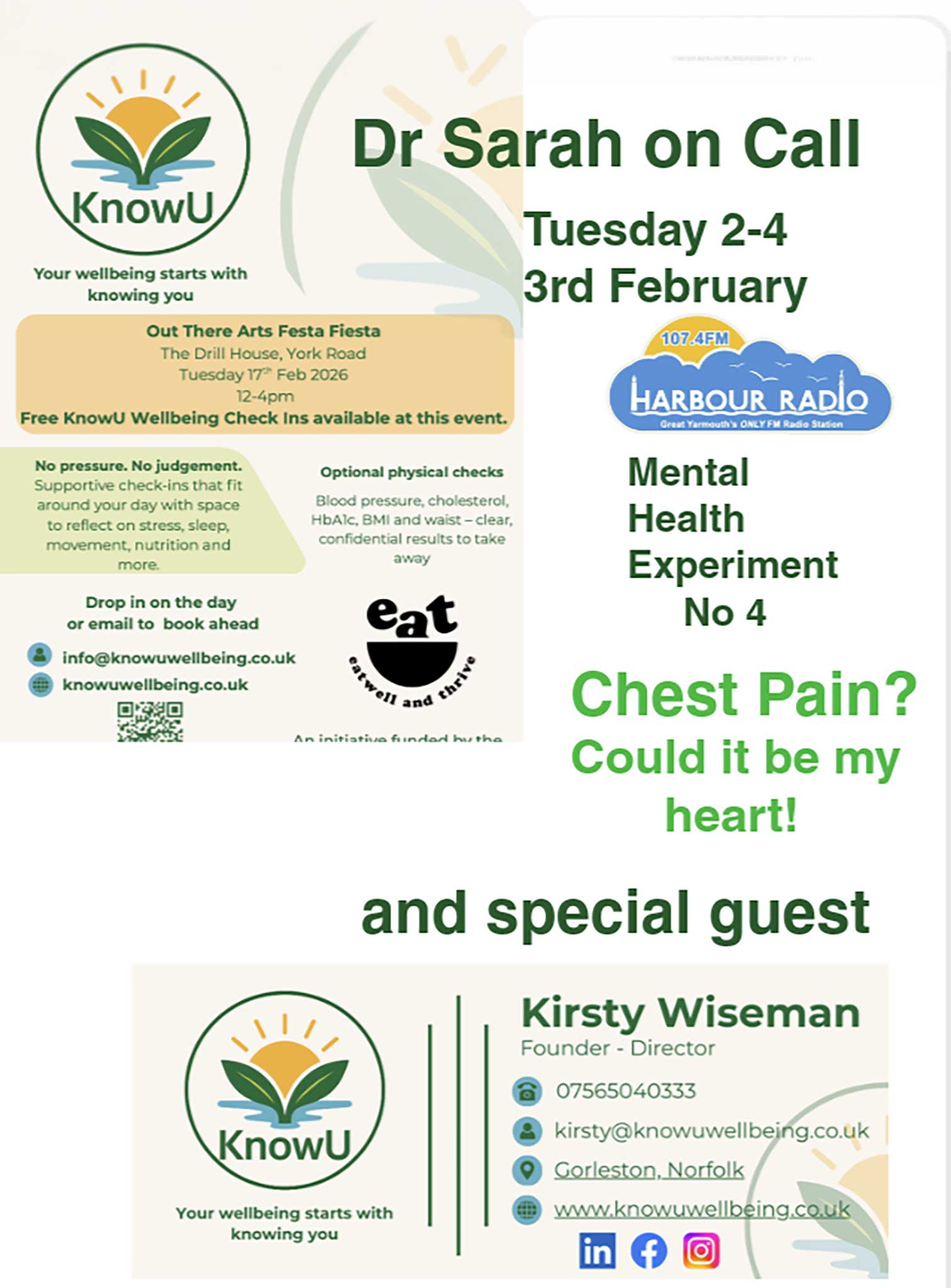 Most chest pain isn’t. Muscles, reflux, stress and anxiety are common causes. But heart problems matter because they don’t always shout.
Heart pain often feels like pressure or tightness, especially with effort, and may come with breathlessness, sweating, nausea, or pain in the arm, jaw or back. Yet many people — especially women, older adults and those with diabetes — have no classic chest pain at all.
What gets missed?
Unusual fatigue. Shortness of breath. Indigestion-type symptoms. Jaw or back pain. Dizziness. Cold sweats. A sense that something isn’t right.
These are often brushed off as stress, ageing, or “nothing serious”.
Risk isn’t just about age or family history. Smoking, high blood pressure, cholesterol, diabetes, inactivity, poor sleep, stress and central weight all stack the odds — quietly.
That’s why knowing your numbers matters. Blood pressure, cholesterol, blood sugar and waist size often change long before symptoms appear.
Heart disease is full of myths: that it only affects older men, that you’d know if something was wrong, or that being fit means you’re safe. None are true.
After a heart attack, recovery is physical and emotional. Fatigue, anxiety and loss of confidence are common — and normal. With the right support, many people return to full lives.
Bottom line: Listen early. Know your numbers. Don’t dismiss new symptoms. It’s always better to check — and be reassured — than to ignore your heart.