And How to Get Involved
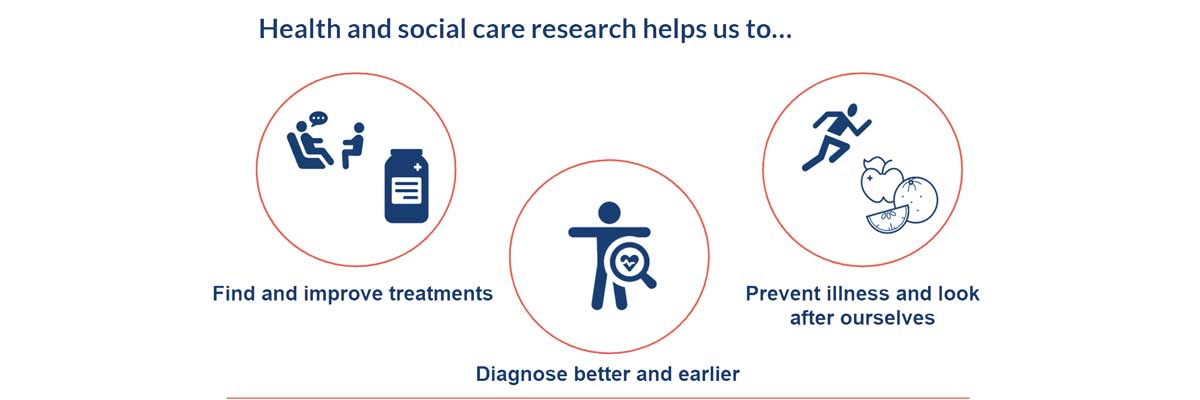
 Most of us have benefited from health research without ever thinking about it. The paracetamol you take for a headache, the contact lenses you wear, the advice to eat more fruit and vegetables — all of it came from someone, somewhere, agreeing to take part in a study. The National Institute for Health and Care Research (NIHR) recently put it simply: research helps us treat illness, diagnose conditions earlier, and prevent disease in the first place.
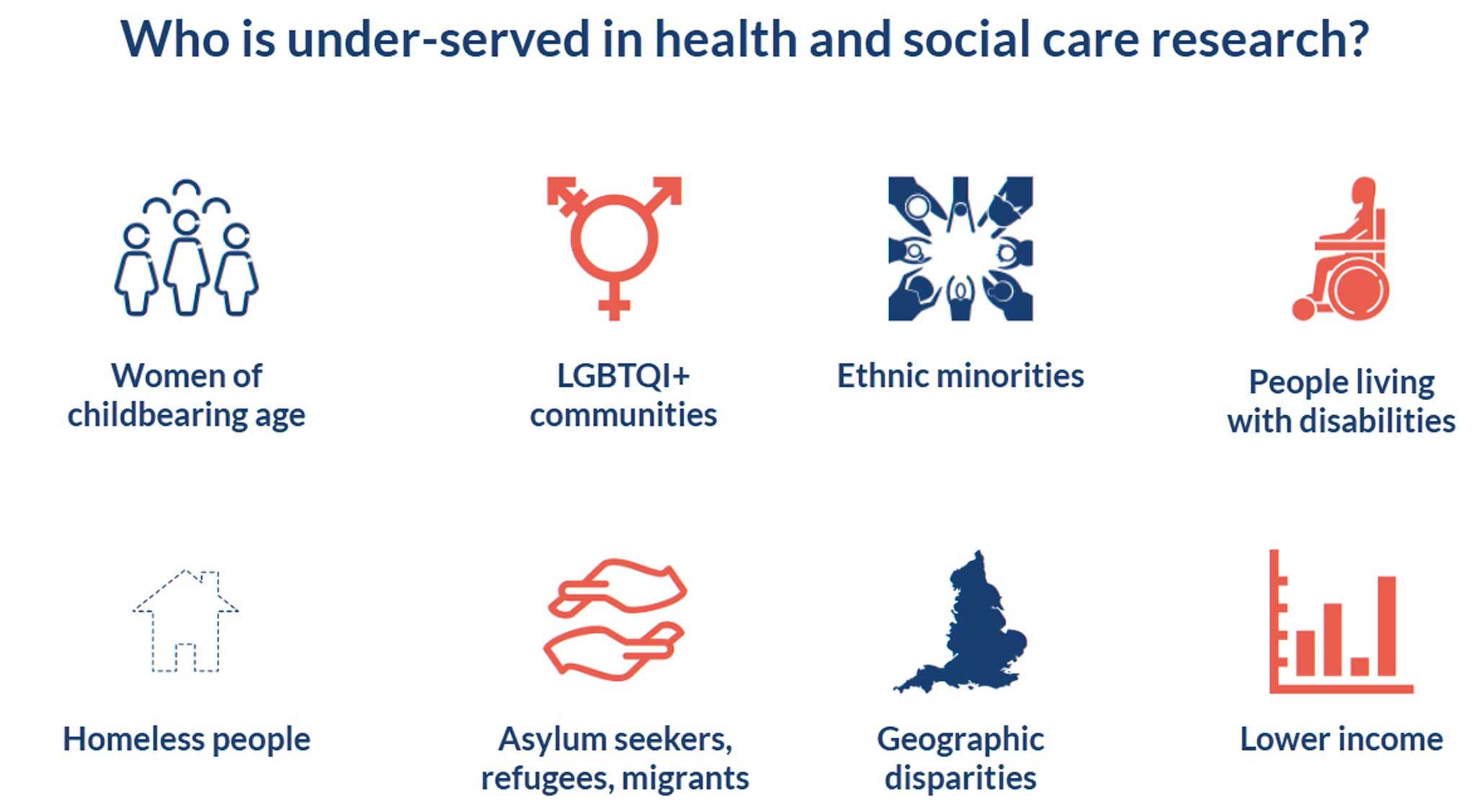
The problem is that not enough people volunteer — and the people who do often don't reflect the wider population. Research has historically under-represented women, ethnic minorities, people with disabilities, older adults, and people from lower-income backgrounds. This matters more than it might seem. When a medical device like a pulse oximeter is developed and tested only in non-diverse populations, it can give inaccurate readings for people with darker skin tones — a flaw that went largely unnoticed for decades. When heart disease research skews male, women get diagnosed later and treated less effectively. Better, more diverse participation genuinely saves lives.
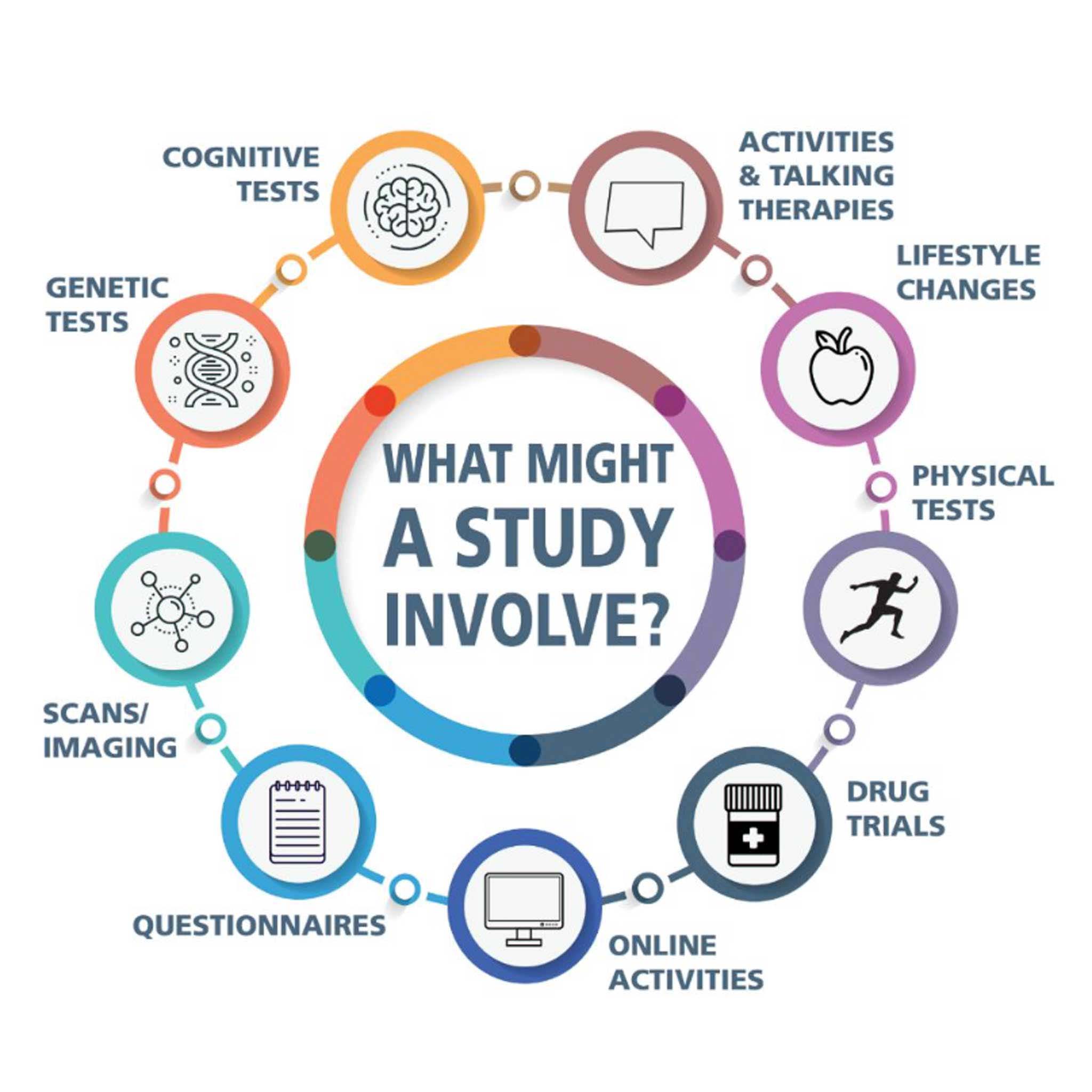
You don't need to be ill to take part. Many studies need healthy volunteers as a comparison group, and studies cover everything from questionnaires and lifestyle changes to cognitive tests, scans, and drug trials. You can take part at home, online, at your GP surgery, or at a hospital. Crucially, you always give informed consent, you can withdraw at any time without it affecting your care, and every study must be approved by an independent ethics committee before it can go ahead. Modern research is tightly regulated — a very different world from the troubling historical examples that understandably made some communities wary.
If you'd like to explore opportunities, the best starting point is Be Part of Research (www.bepartofresearch.co.uk), where you can search for studies by condition or location and register to be matched with suitable research. For those interested specifically in dementia research — whether you have a diagnosis, are a carer, or simply want to contribute — Join Dementia Research (www.joindementiaresearch.nihr.ac.uk) does the same job in that space. The People in Research website (www.peopleinresearch.org) is also worth a look if you want to understand the different ways you can get involved, including shaping research design rather than just participating in studies.
 If you want to read about what research has actually found — in plain English rather than academic jargon — NIHR Evidence (www.evidence.nihr.ac.uk) publishes accessible summaries across dozens of health topics. And if you'd like a deeper introduction to how clinical research works, the University of Leeds runs a well-regarded free online course through FutureLearn called Improving Healthcare Through Clinical Research, which has enrolled over 44,000 people.
The ask is a simple one: consider putting your name forward. The next medical breakthrough is sitting in a dataset somewhere, waiting for enough people to show up.
Further reading and volunteering links:
- Find a study near you: www.bepartofresearch.co.uk
- Dementia research volunteers: www.joindementiaresearch.nihr.ac.uk
- Get involved in shaping research: www.peopleinresearch.org
- Read research findings in plain English: www.evidence.nihr.ac.uk
- Free online course — Improving Healthcare Through Clinical Research: FutureLearn/University of Leeds
- About the NIHR: www.nihr.ac.uk
- Details
- Written by: Philip
 Low-Cost Counselling Now Available for Parents and Carers of Neurodivergent Children
Paradigm Neurodiversity is offering affordable counselling support for parents and carers, with 2 free initial sessions.
Paradigm Neurodiversity — whose ethos is "Changing the Narrative, Not the Child" — recognises that raising a neurodivergent child impacts every area of family life. Parents and carers can experience anxiety, low mood, burnout, carer's fatigue, and guilt, and this service is designed to support them.
Understanding You
Paradigm's holistic approach is committed to both supporting parents and carers, and embracing and celebrating children's neurodivergence. Their counselling offers a warm, safe, and supportive space to share worries and frustrations without judgement.
- Details
- Written by: Chantelle Goslitski
 Low-Cost ACT Therapy Now Available for Children and Young Adults
Paradigm Neurodiversity is offering affordable Acceptance and Commitment Therapy (ACT) for neurodivergent young people under 25.
Paradigm Neurodiversity — whose ethos is "Changing the Narrative, Not the Child" — is providing creative ACT sessions designed specifically for children and young adults.
- Details
- Written by: Philip

Two Stories. One Choice.
Two members of GYUP who prefer to remain anonymous recently shared two powerful stories with us. They are stories of compassion, friendship, and quiet leadership at moments when it would have been easier to look away. We are incredibly proud of them.
- Details
- Written by: Sarah Flindall

Pam Writes:
I finally completed my 100 Miles running challenge on the 31st day of December. When I started, on the 1st, it was windy and pouring with rain. I seriously doubted whether I was going to be able to achieve what I set out to do. Luckily there was more sunshine and less rain and I found my stride – I started to look forward to my daily runs – and I stopped worrying about the weather.
- Details
- Written by: Pam Spychal
A Few Thoughts on Humanity
From Physics to People to Politics
 In his book Geoffrey Smart addresses many of the deepest questions we can ask about humankind; who we are, how we came to be here, why each of us is unique in all time, how chance profoundly shapes our lives, how our values affect others and why this makes all of us responsible for the state of the world.
Aimed at both scientists and non-scientists, this extraordinary and compellingly written book discusses the nature of consciousness, the degree to which other life forms have it, whether AI can acquire it, how much freedom of will we all have, the implications for responsibility, accountability and justice and how criminals should be treated. In just 30,000 words it builds a powerful, science-based case for a kinder, less judgemental and more compassionate world.
- Details
- Written by: Sarah Flindall
Read more: A Few Thoughts on Humanity - From Physics to People to Politics

Pam’s December Challenge: 100 Miles, One Purpose
Last December, many of you will remember Pam Spychal braving the icy waters of Great Yarmouth with daily winter swims. This year, she has swapped cold seas for cold streets, committing to run three miles every day throughout December, with a stretch target of 100 miles.
- Details
- Written by: Philip
 On October 16th, GY Bakehouse on Stonecutters Way hosted Lonely Llama’s “Get It Off Your Chest” — an evening for parents and individuals to talk, listen, and unwind, supported by the Llama Army community.
The Bakehouse was warm and welcoming, softly lit and filled with the comforting aroma of coffee and tea. The atmosphere was calm and open, encouraging everyone to relax and connect. Guests had the chance to speak one-on-one or take part in group conversations. There was laughter, thoughtful moments, and plenty of supportive listening. The focus was on giving people space to share what was on their minds without judgment. Many appreciated the time to reflect and talk at their own pace.
“Get It Off Your Chest” created a safe and friendly environment — a reminder of the importance of connection, conversation, and community.
PS.The image is illustrative only and is not of the Bakehouse
- Details
- Written by: Philip