Dr Sarah host a ahow on Harbour Radio every Tuesday at 2pm. Here are soem reports form gher show. See also Unlearning the Armour which Dr Sarah & Dr Toomas discuss on her show.
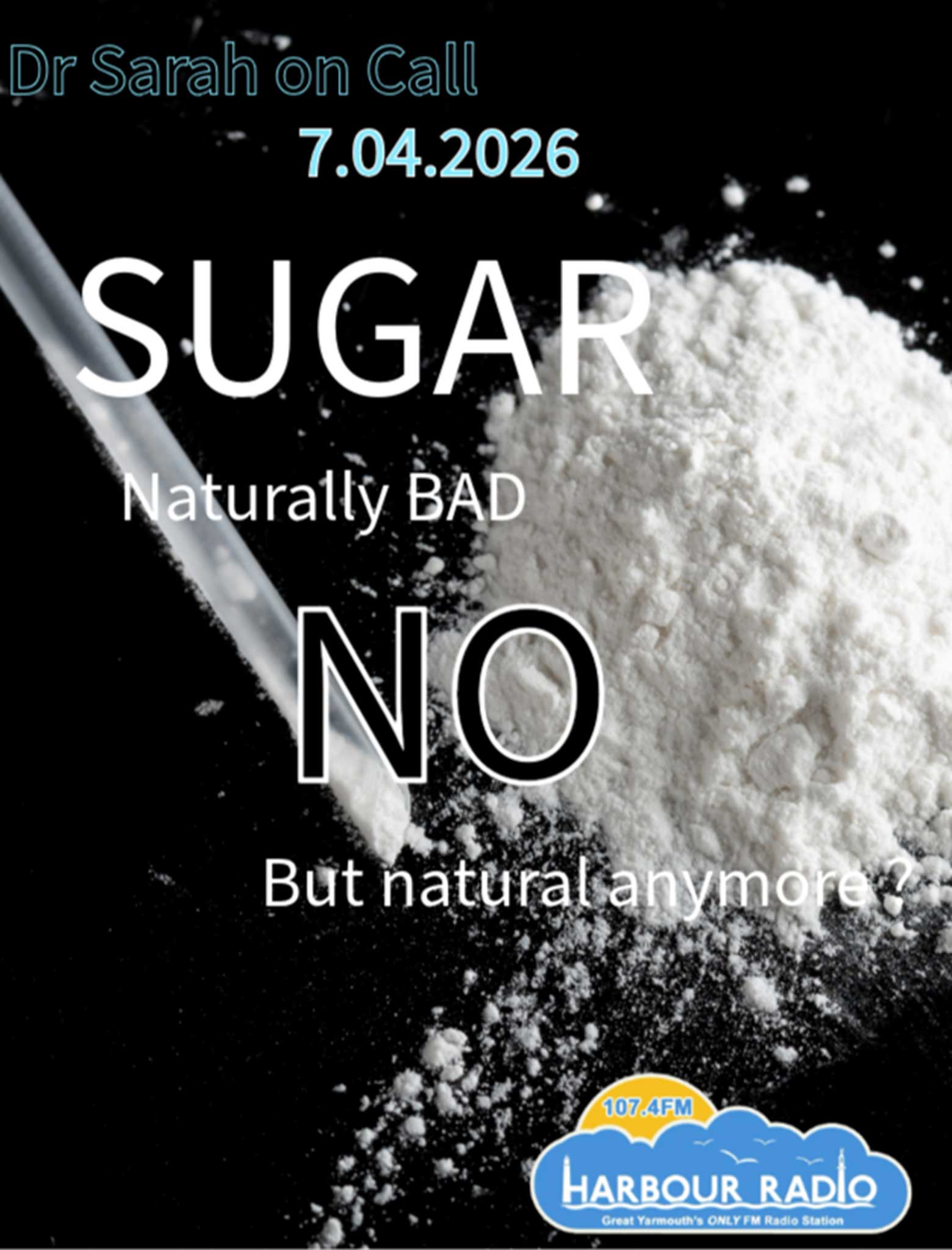 Sugar didn’t start as the white crystals we sprinkle into tea. It began as a plant—something you had to grow, cut, and chew. Early sugar from Saccharum officinarum (sugar cane) was slow, fibrous, and naturally limited. You worked for the sweetness, and your body processed it gradually.
The turning point came with processing.
As sugar moved from plant to product, it was crushed, heated, filtered, and refined until it became almost pure sucrose. In doing so, something subtle but important changed. The fibre, nutrients, and structure that once slowed absorption were removed. What remained was fast, concentrated energy—easy to store, transport, and add to almost anything.
This shift made sugar more than just an ingredient. It made it efficient.
Historically, that efficiency fuelled global systems. Sugar plantations expanded across the Caribbean and the Americas, powered by enslaved labour within the transatlantic slave trade. Later, when slavery was abolished, indentured labour systems took its place. Sugar wasn’t just a food—it became part of a vast economic engine that shaped nations, trade, and inequality.
At the same time, sugar moved into everyday life. In countries like the United Kingdom, it became part of daily routines—especially through tea, coffee, and processed foods. What was once rare and medicinal became constant
Today, the impact shows up in our bodies and behaviours.
Refined sugar is absorbed quickly, causing spikes and crashes in blood glucose. This can lead to cycles of energy dips, hunger, and cravings. Over time, frequent exposure is linked to conditions such as Type 2 diabetes and obesity.
But the deeper shift is behavioural.
Sugar now arrives without effort. It’s cheap, accessible, and often hidden in everyday foods. It activates the brain’s reward system, reinforcing habits around comfort, stress, and routine. People aren’t simply choosing sugar—they are responding to an environment where it is the easiest option.
That’s why solutions focused only on willpower tend to fail.
Reducing harm isn’t about removing sugar entirely. It’s about changing how it shows up in daily life. Slowing it down by pairing it with fibre or protein. Making it more visible. Adjusting environments so lower-sugar options become the default. Supporting people to notice patterns rather than blaming them for having them.
The story of sugar is not about bad choices. It’s about systems that evolved—step by step—into something very different from where they began.
And just like it changed once, it can change again.
- Details
- Written by: Sarah Flindall
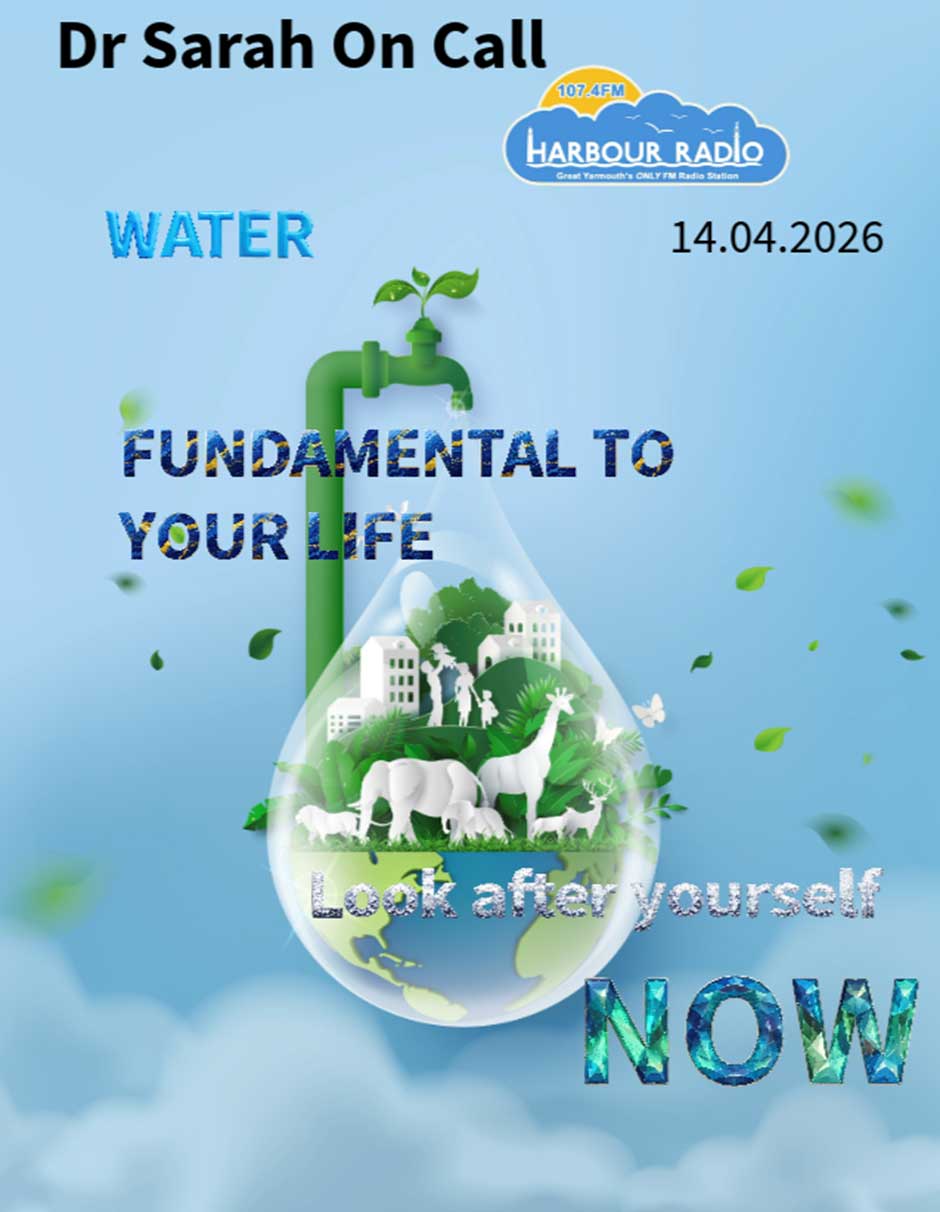 Water feels simple. You turn on a tap, fill a glass, and drink. But behind that everyday action sits one of the most complex — and fragile — systems we rely on.
At a basic level, water is essential to life. It enables every process in the body, from transporting nutrients to regulating temperature. But at a societal level, something even more interesting has happened: we’ve taken a natural resource and engineered it into something reliable, safe, and instantly available.
That reliability didn’t happen by accident. Historically, people drank from rivers, wells, and springs — often unknowingly consuming contaminated water. It wasn’t until the 19th century, when links between water and disease became clear, that modern systems emerged. Filtration, chlorination, and piped distribution transformed public health. Clean tap water quietly became one of the greatest successes of modern society.
Today, tap water in the UK is among the safest in the world. It is carefully treated, continuously monitored, and regulated to ensure it meets strict standards. Chemically, it’s not just pure H₂O — it contains small amounts of dissolved minerals and trace substances, all kept within safe limits.
And yet, bottled water still exists.
In many ways, bottled water isn’t about chemistry — it’s about perception. People often choose it because it feels cleaner, tastes different, or offers a sense of control. In a country where tap water is safe, bottled water reflects something deeper: trust. When trust in systems is strong, people use what’s provided. When it isn’t, they look for alternatives.
This becomes even clearer during disruption.
Flooding offers a stark example of how quickly things can change. When large areas flood, clean and dirty water systems mix. Treatment plants can be overwhelmed or shut down, and contamination can enter the supply. In extreme cases, entire communities can lose access to safe drinking water.
During the 2007 Gloucestershire floods, a major water treatment works was taken offline, leaving around 350,000 people without mains water. For days — and in some cases weeks — people relied on bottled supplies and emergency distribution points. What is normally invisible infrastructure suddenly becoming a daily concern.
Events like this reveal something important: access to safe water is not just an engineering issue. It is about resilience, trust, and community. When systems fail, even temporarily, the impact is immediate and deeply human.
They also highlight inequality. Not everyone has equal access to safe, reliable water — even in the UK. People in unstable housing, temporary accommodation, or crisis situations may already rely on bottled water as a workaround. In these contexts, water becomes more than hydration; it becomes a marker of stability and dignity.
So, could we live without bottled water in the UK? In theory, yes. The infrastructure exists. But in practice, bottled water persists because it fills gaps — in trust, access, and experience.
The bigger lesson is this: water is not just about what comes out of the tap. It reflects how well systems work, how much people trust them, and how resilient communities are when things go wrong.
What looks simple, is anything but.
- Details
- Written by: Sarah Flindall
 What's Really Going On Inside the Body?
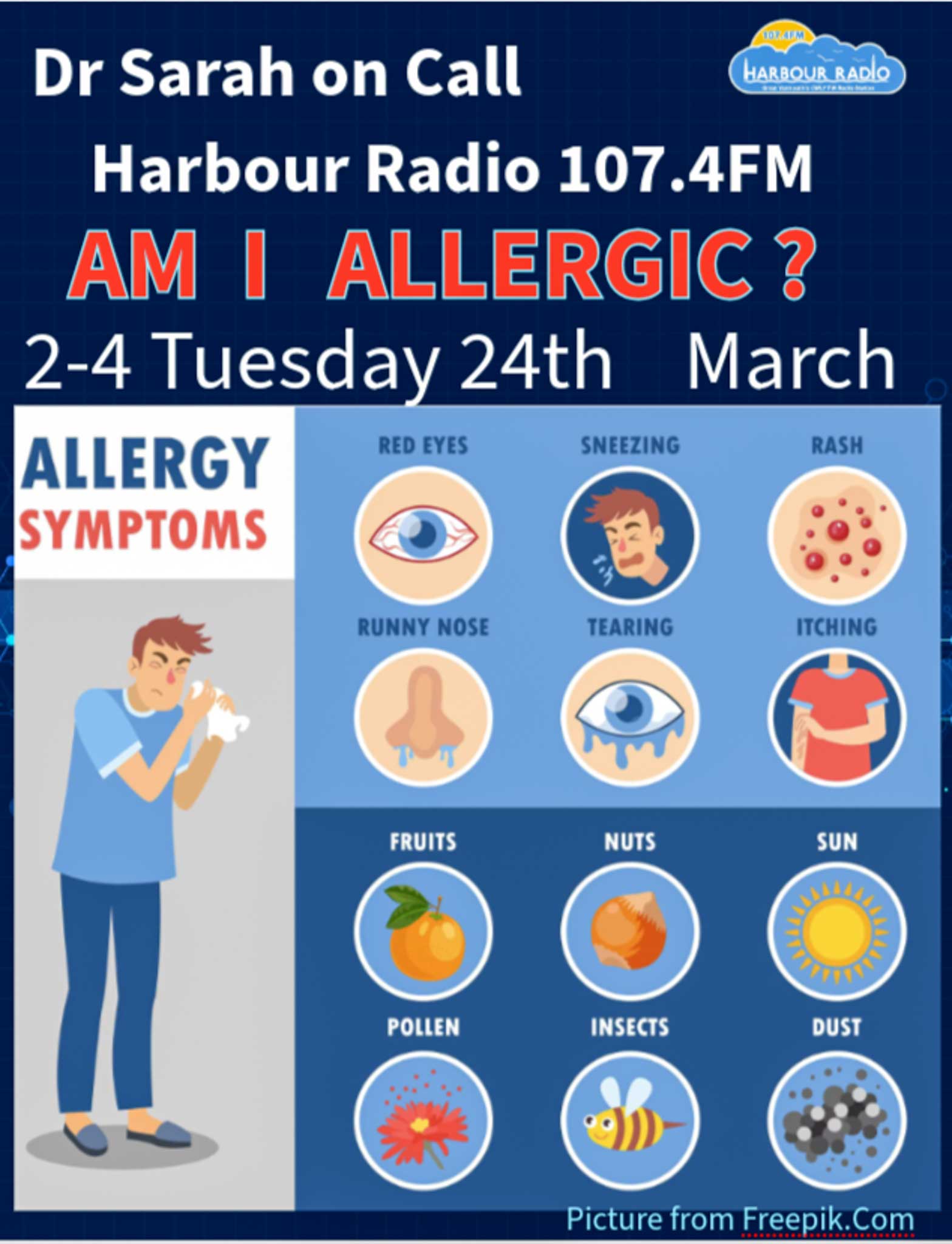
Allergies can feel mysterious — why can one person eat peanuts without a problem, while another has a life-threatening reaction?
At its core, an allergy is a case of mistaken identity.
Your immune system is designed to protect you. Every day — especially in your gut and lungs — it's making decisions about what's safe and what's dangerous. Most of the time, it gets this right, tolerating food, pollen, and everyday substances without any fuss.
But sometimes, it learns the wrong lesson.
Instead of recognising something harmless (like pollen or a food protein), the body treats it like a threat. It produces a special antibody called IgE, which arms immune cells ready to react. The next time you're exposed, those cells release chemicals like histamine — causing symptoms like sneezing, itching, swelling, stomach upset, or even severe reactions.
Not All Allergies Are the Same
Some are immediate and dramatic (like food allergies or hay fever), while others are slower and more subtle (like skin reactions to metals or chemicals). Some conditions — like Irritable Bowel Syndrome — aren't true allergies, but the gut can behave in a similarly over-reactive way.
- Details
- Written by: Sarah Flindall
 Gender Identity Treatment: A Conversation in Medicine
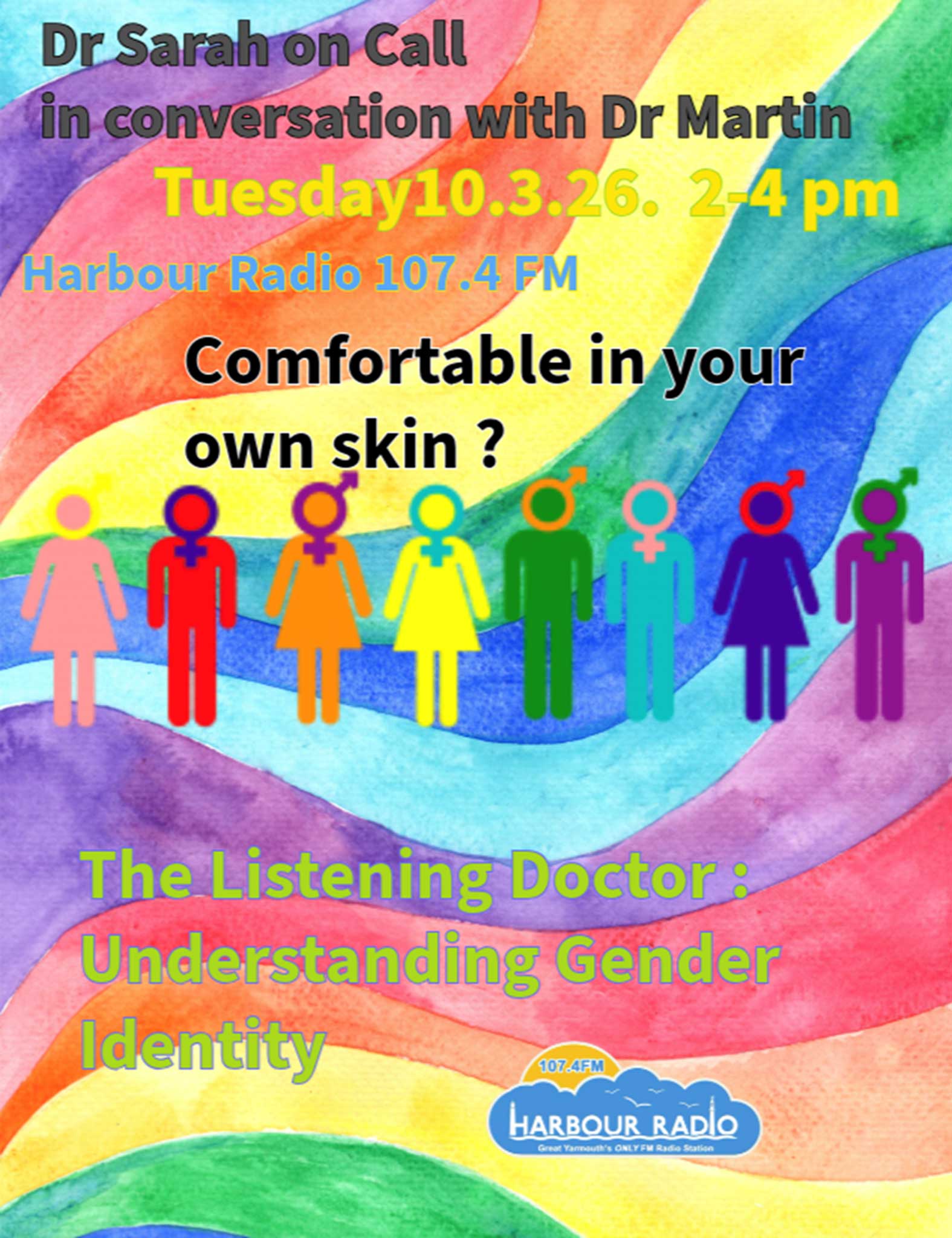
In this episode we explore a subject that has become one of the most discussed – and sometimes misunderstood – areas of modern healthcare: gender identity treatment.
Rather than focusing on headlines or social media debates, the aim of this conversation is to understand how medicine approaches gender dysphoriadistress from a mismatch between assigned sex and gender identity., what treatments exist, and why the topic continues to generate discussion among clinicians and the public.
- Details
- Written by: Sarah Flindall
 On Dr Sarah On Call for Harbour Radio, I had the chance to share the music that has empowered me through life’s turning points ~ the songs that helped me breathe again, stand a little taller, and remember who I am when everything felt shaky. We talked about my journey from the school playground to more than 60 years rooted in Great Yarmouth, including the impact of bullying, relationship breakdown, and the quiet courage it takes to rebuild and start again. I also spoke honestly about the realities of business success and failure, redundancy, and the life-changing shift into ill-health retirement following long Covid ~ a chapter that asked me to slow down, listen deeper, and find new ways to live and work with compassion for my own limits.
From there, the conversation naturally moved into my writing and the heart behind my books, especially Time to Shine. I shared how the royalties from that cosy romance novel have been donated to GYUP, because community matters to me and I believe in giving back to the place that shaped me. We also explored what I’m building through Awakened Realm ~ gentle, soul-led courses for women navigating change, plus a membership community designed to feel like a safe, supportive circle rather than another noisy online space. And for the women of the Great Yarmouth Borough, I introduced an unmissable membership offer ~ an invitation to take a first step towards calm, confidence, and a renewed sense of purpose, in a way that feels grounded, accessible, and truly supportive.
- Details
- Written by: Jax Southam
From Storks to Science: The Magic and Balance of Conception and Contraception
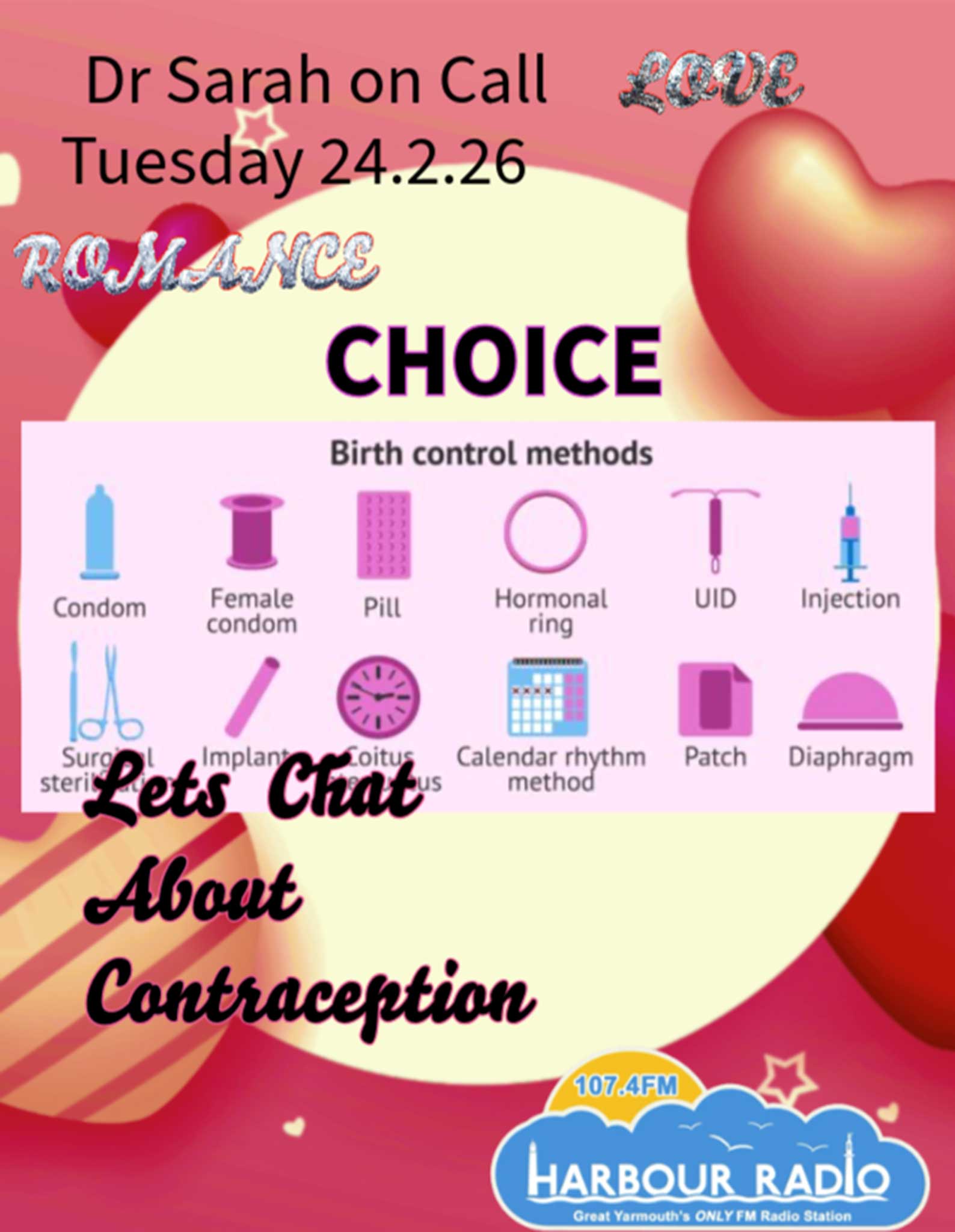 For centuries, we told stories about where babies come from:
- Storks flying over rooftops.
- Babies found in cabbage patches.
- Spirit children choosing their mothers.
These myths weren’t foolish. They reflected something profound: the mystery and magic of conception. Before microscopes and hormones, pregnancy felt miraculous. It still is. Even now, when we understand the biology, the creation of life carries awe. As societies evolved, so did our understanding. We learned how conception works — and eventually, how to separate sex from reproduction. That separation is sometimes framed as a loss of innocence or tradition. But it can also be seen as a remarkable human achievement. The ability to choose when — or whether — to have a child is not a burden. It is an opportunity. It allows:
- Details
- Written by: Sarah Flindall
Some lives are shaped by a powerful combination: passionate belief in what’s possible, and relentless drive to see things through.
Geoff grew up with both.
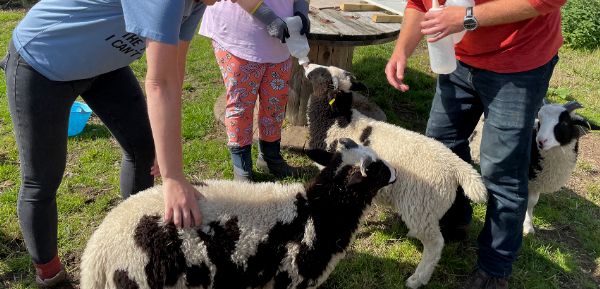 He loved cricket — but it was the era of Ian Botham. He loved tennis — but the court was ruled by Björn Borg. From early on, he understood something important: wanting to be the best and actually becoming the best are two different things. The world is full of giants.
But instead of shrinking his ambition, that realisation sharpened it.
- Details
- Written by: Sarah Flindall
Health Awareness: Bacteria, Viruses, and Recovery
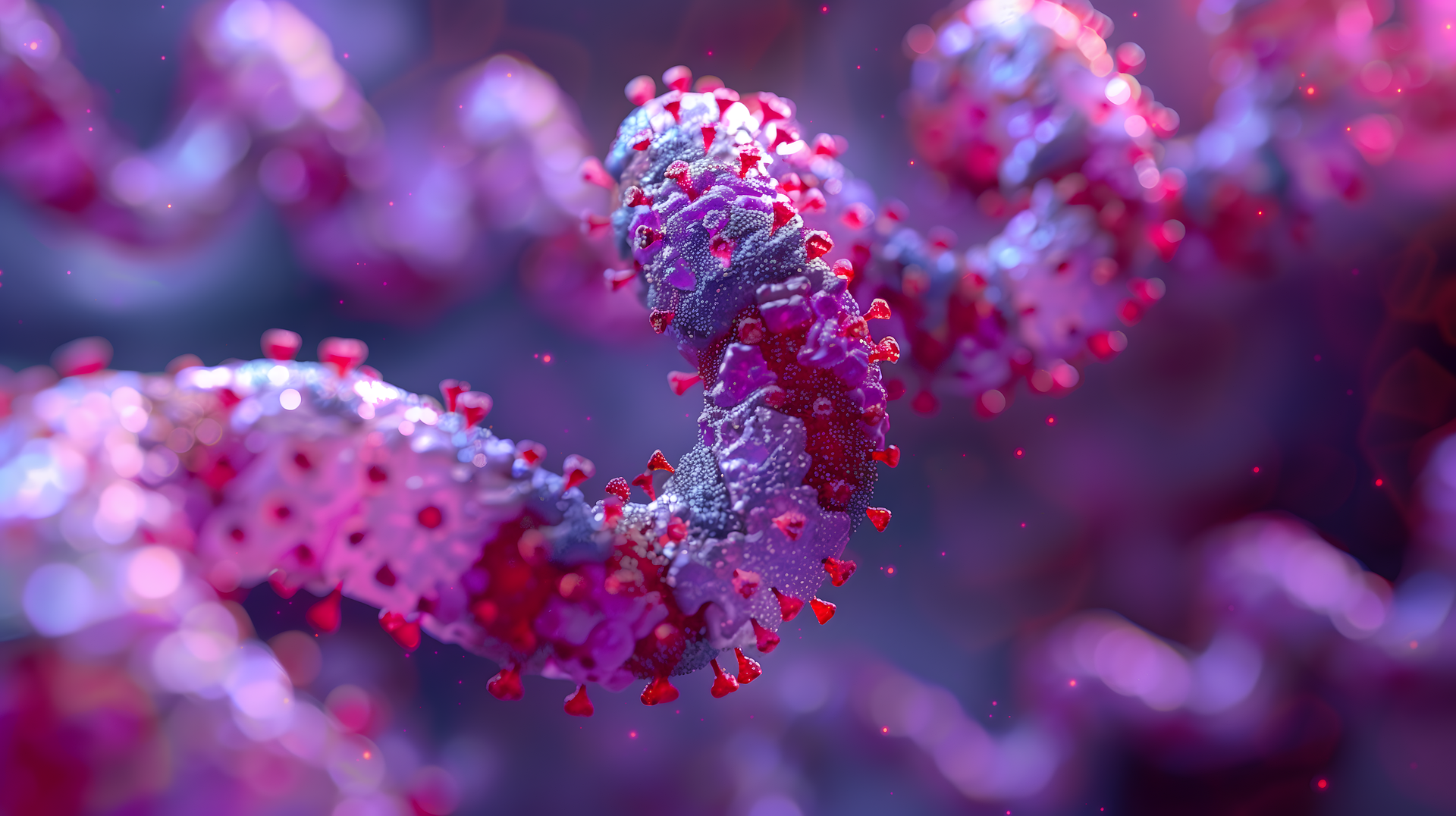 We explored an important health topic: how to tell the difference between bacterial and viral infections, and why it matters.
Both can cause fever, sweating, and coughing, but:
Bacterial infections tend to affect a specific area and may involve pus. These can respond to antibiotics.
Viral infections trigger a wider immune response, often causing runny nose, eye symptoms, cough, muscle aches, headaches, and fatigue. Antibiotics don’t help.
- Details
- Written by: Sarah Flindall
Inspired by Geoffrey Smart — Thoughts on Humanity
From Physics to People to Politics
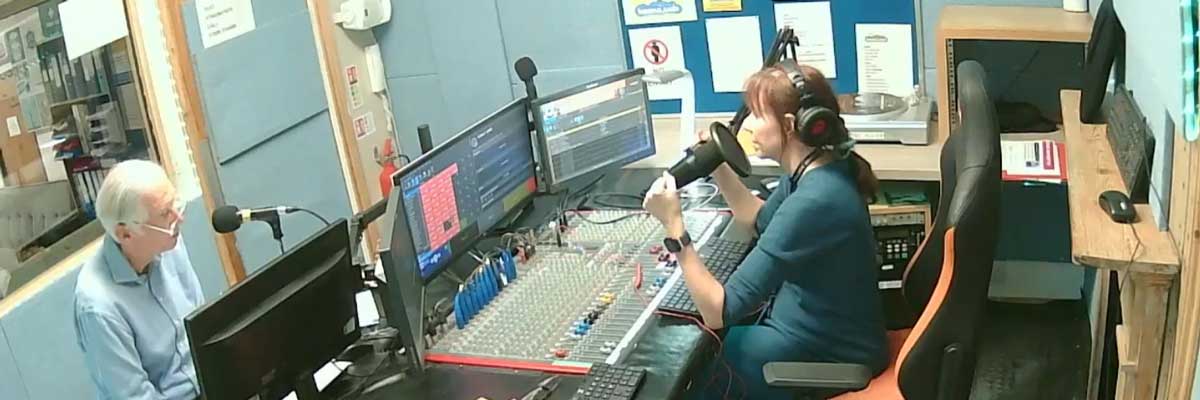
On the 13th January Geoffrey Smart Joind me on my Harbour Radio Show, Geoffrey is the author of "A Few Thoughts on Humanity - From Physics to People to Politics"
Some books don’t give you answers. They quietly rearrange the way you think. A Few Thoughts on Humanity is one of those books. It takes you on a journey that starts with physics, travels through biology, and lands squarely in the heart of what it means to be human. It moves from atoms to people, from molecules to morality, from science to society. And what it asks, again and again, is this:
- Details
- Written by: Sarah Flindall
Linda and Shelley : Bowel Cancer Specialist Nurse Team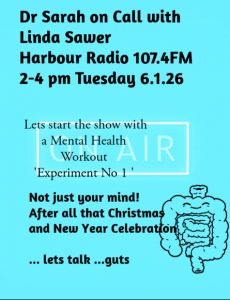
Inspiration: The journey from 'what I wanted to be when I was young' to TODAY.
This journey was through travel, adults education, NHS nursing (on the other side of the world and back) to building a team who care and wrap around those who have had that heart stopping moment of a diagnosis of bowel cancer.
- Details
- Written by: Sarah Flindall
Doctor Sarah on Harbour Radio!
On Tuesday 8 January, Doctor Sarah took to the airwaves on Harbour Radio 107.4 FM, delivering an insightful show ... check it out on Facebook.
- Details
- Written by: Sarah Flindall