
And How to Get Involved
 Most of us have benefited from health research without ever thinking about it. The paracetamol you take for a headache, the contact lenses you wear, the advice to eat more fruit and vegetables — all of it came from someone, somewhere, agreeing to take part in a study. The National Institute for Health and Care Research (NIHR) recently put it simply: research helps us treat illness, diagnose conditions earlier, and prevent disease in the first place.
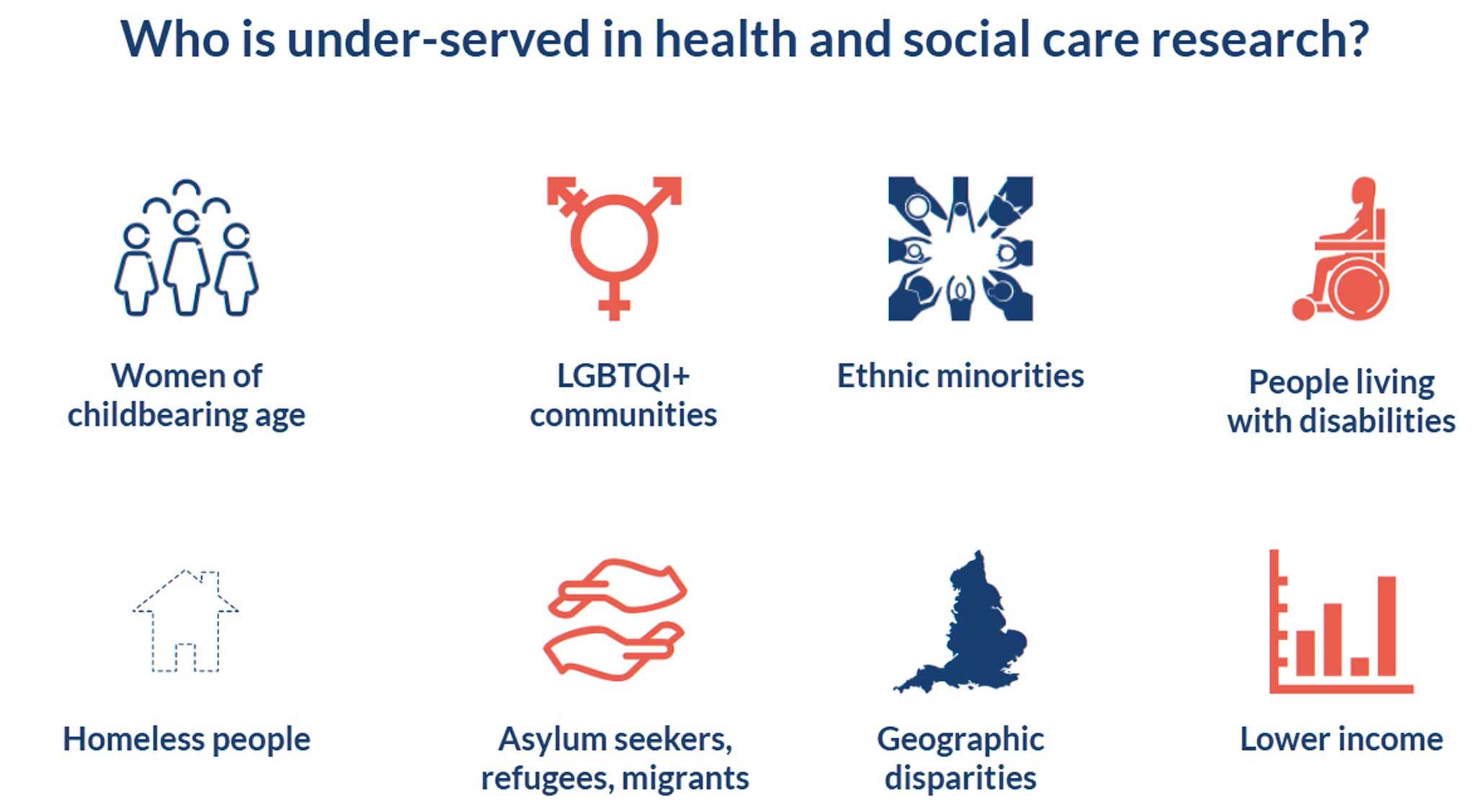
The problem is that not enough people volunteer — and the people who do often don't reflect the wider population. Research has historically under-represented women, ethnic minorities, people with disabilities, older adults, and people from lower-income backgrounds. This matters more than it might seem. When a medical device like a pulse oximeter is developed and tested only in non-diverse populations, it can give inaccurate readings for people with darker skin tones — a flaw that went largely unnoticed for decades. When heart disease research skews male, women get diagnosed later and treated less effectively. Better, more diverse participation genuinely saves lives.
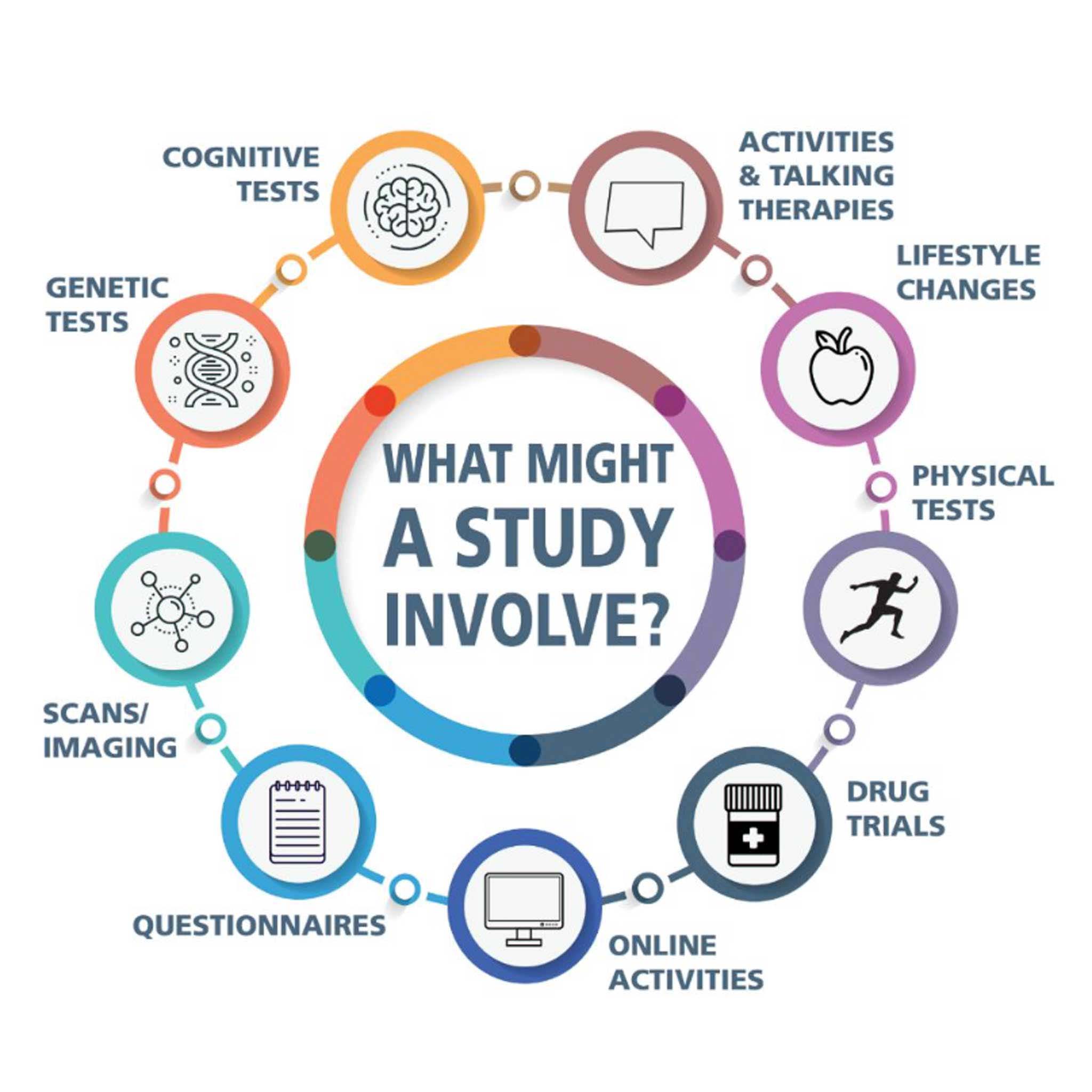
You don't need to be ill to take part. Many studies need healthy volunteers as a comparison group, and studies cover everything from questionnaires and lifestyle changes to cognitive tests, scans, and drug trials. You can take part at home, online, at your GP surgery, or at a hospital. Crucially, you always give informed consent, you can withdraw at any time without it affecting your care, and every study must be approved by an independent ethics committee before it can go ahead. Modern research is tightly regulated — a very different world from the troubling historical examples that understandably made some communities wary.
If you'd like to explore opportunities, the best starting point is Be Part of Research (www.bepartofresearch.co.uk), where you can search for studies by condition or location and register to be matched with suitable research. For those interested specifically in dementia research — whether you have a diagnosis, are a carer, or simply want to contribute — Join Dementia Research (www.joindementiaresearch.nihr.ac.uk) does the same job in that space. The People in Research website (www.peopleinresearch.org) is also worth a look if you want to understand the different ways you can get involved, including shaping research design rather than just participating in studies.
 If you want to read about what research has actually found — in plain English rather than academic jargon — NIHR Evidence (www.evidence.nihr.ac.uk) publishes accessible summaries across dozens of health topics. And if you'd like a deeper introduction to how clinical research works, the University of Leeds runs a well-regarded free online course through FutureLearn called Improving Healthcare Through Clinical Research, which has enrolled over 44,000 people.
The ask is a simple one: consider putting your name forward. The next medical breakthrough is sitting in a dataset somewhere, waiting for enough people to show up.
Further reading and volunteering links:
- Find a study near you: www.bepartofresearch.co.uk
- Dementia research volunteers: www.joindementiaresearch.nihr.ac.uk
- Get involved in shaping research: www.peopleinresearch.org
- Read research findings in plain English: www.evidence.nihr.ac.uk
- Free online course — Improving Healthcare Through Clinical Research: FutureLearn/University of Leeds
- About the NIHR: www.nihr.ac.uk