
 Gender Identity Treatment: A Conversation in Medicine
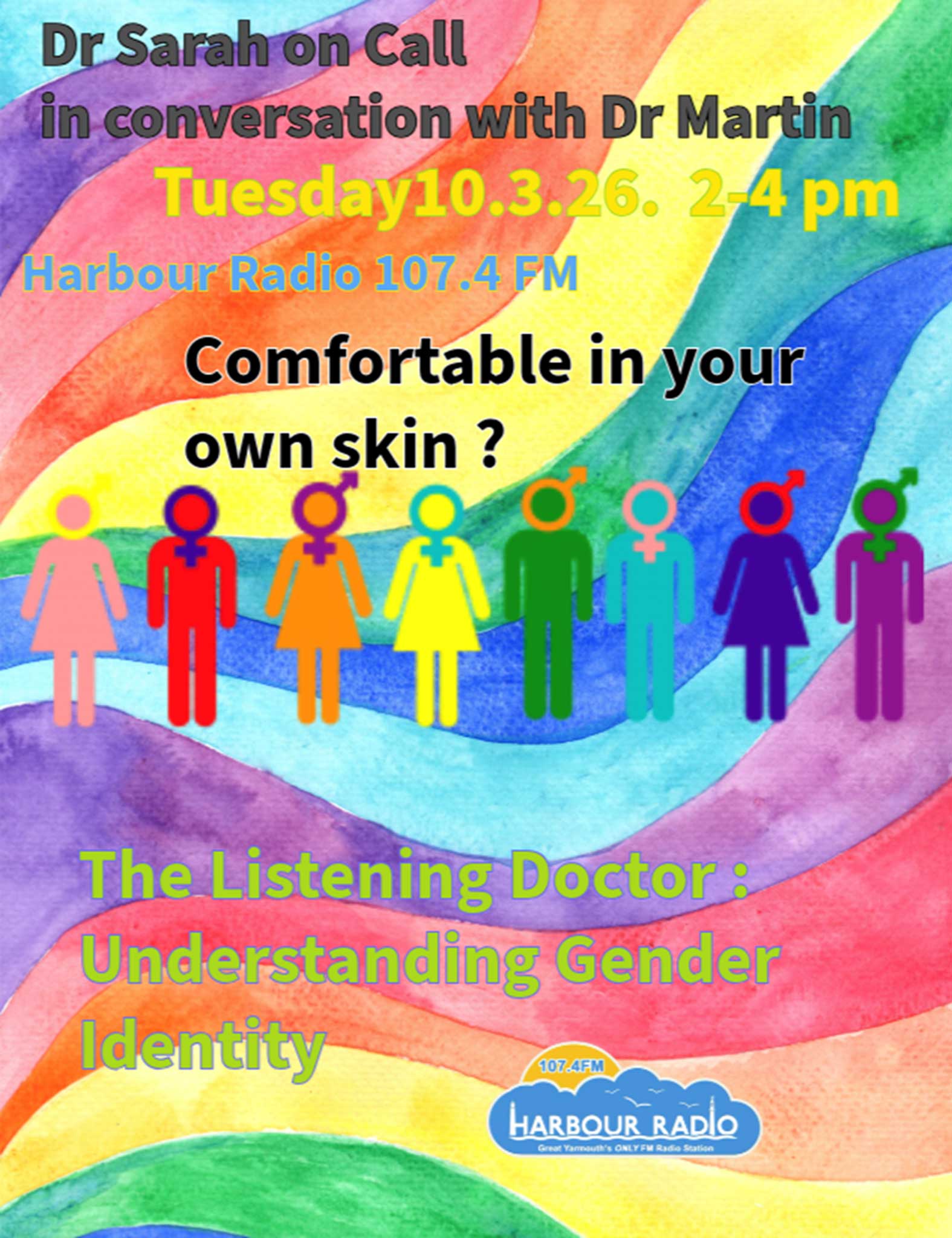
In this episode we explore a subject that has become one of the most discussed – and sometimes misunderstood – areas of modern healthcare: gender identity treatment.
Rather than focusing on headlines or social media debates, the aim of this conversation is to understand how medicine approaches gender dysphoriadistress from a mismatch between assigned sex and gender identity., what treatments exist, and why the topic continues to generate discussion among clinicians and the public.
A medical field with a long history
Gender identity care is not a new area of medicine. Doctors began exploring gender identity and medical transition more than a century ago. Early research was led by pioneers such as Magnus Hirschfeld in the early 1900s.
In the UK, specialist services later developed through the NHS, including the well-known Charing Cross Gender Identity Clinic. These clinics brought together specialists in psychology, endocrinology and surgery to support people experiencing gender dysphoria.
Today, international guidance for gender-affirming care is informed by organisations such as the World Professional Association for Transgender Health.
What treatment actually involves
A common misunderstanding is that gender treatment means immediate surgery. In reality, care can involve many different forms of support.
For some people, support may focus on psychological care and social transition. Others may choose medical treatments.
Hormone therapy is one of the most common medical approaches. This can include medications such as Estradiol for feminising treatment or Testosterone for masculinising treatment.
These medications work gradually, producing physical changes over months or years. Because hormones affect multiple body systems, doctors monitor treatment with regular blood tests and clinical reviews.
Like many medical treatments, hormone therapy can have side effects, so careful monitoring is an important part of safe care.
NHS care and private services
In the UK, gender identity treatment is usually delivered through specialist NHS clinics. Once patients enter the system, care is free and delivered through multidisciplinary teams.
However, waiting times for NHS gender services can be very long. As a result, some people seek private treatment through services such as GenderGP.
Private services may offer faster access to consultations and treatment, often through online appointments. Supporters see this as improving access, while critics raise questions about regulation and assessment processes.
This difference between speed of access and clinical oversight is one of the ongoing discussions within gender medicine.
Why the subject is debated
Gender identity treatment sits at the intersection of medicine, ethics and society. Several issues continue to be discussed by clinicians and researchers.
One area of debate concerns treatment for young people. Historically, some adolescents were offered puberty-blocking medications such as Goserelin. In the UK, services for young people have been reviewed following work led by Hilary Cass.
Other discussions focus on how best to balance:
- access to care
- thorough assessment
- long-term medical evidence
- patient autonomy.
These debates reflect a broader challenge in healthcare: how to ensure treatments are both accessible and safe.
Moving the conversation forward
Despite the disagreements that sometimes appear in public debate, most clinicians share a common goal: supporting people experiencing gender dysphoria with compassionate, evidence-based care.
As research continues and healthcare systems evolve, the conversation about gender medicine will continue to develop.
Our hope with this discussion is simple: to create space for thoughtful, informed conversation rather than polarised debate.