
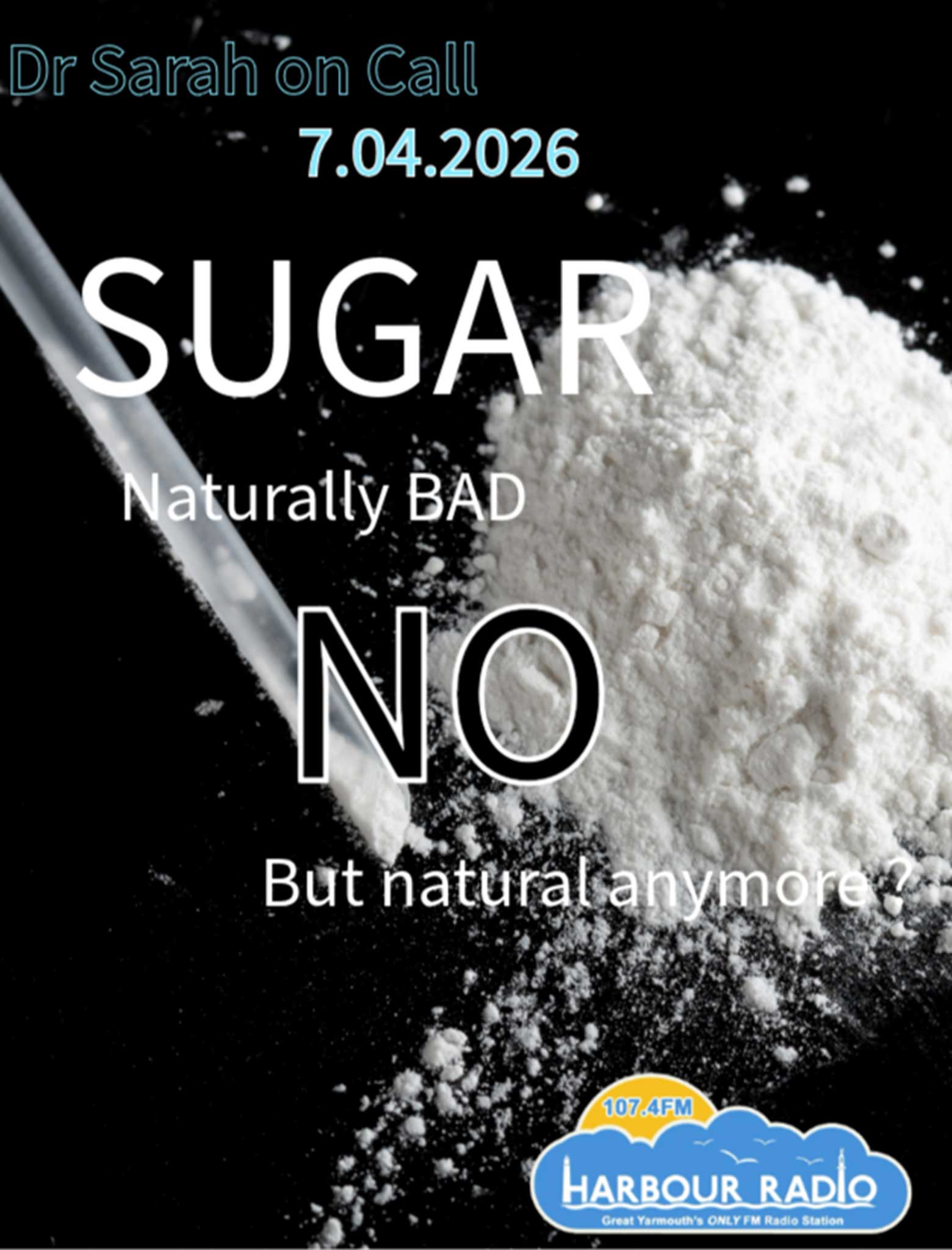
 Sugar didn’t start as the white crystals we sprinkle into tea. It began as a plant—something you had to grow, cut, and chew. Early sugar from Saccharum officinarum (sugar cane) was slow, fibrous, and naturally limited. You worked for the sweetness, and your body processed it gradually.
The turning point came with processing.
As sugar moved from plant to product, it was crushed, heated, filtered, and refined until it became almost pure sucrose. In doing so, something subtle but important changed. The fibre, nutrients, and structure that once slowed absorption were removed. What remained was fast, concentrated energy—easy to store, transport, and add to almost anything.
This shift made sugar more than just an ingredient. It made it efficient.
Historically, that efficiency fuelled global systems. Sugar plantations expanded across the Caribbean and the Americas, powered by enslaved labour within the transatlantic slave trade. Later, when slavery was abolished, indentured labour systems took its place. Sugar wasn’t just a food—it became part of a vast economic engine that shaped nations, trade, and inequality.
At the same time, sugar moved into everyday life. In countries like the United Kingdom, it became part of daily routines—especially through tea, coffee, and processed foods. What was once rare and medicinal became constant
Today, the impact shows up in our bodies and behaviours.
Refined sugar is absorbed quickly, causing spikes and crashes in blood glucose. This can lead to cycles of energy dips, hunger, and cravings. Over time, frequent exposure is linked to conditions such as Type 2 diabetes and obesity.
But the deeper shift is behavioural.
Sugar now arrives without effort. It’s cheap, accessible, and often hidden in everyday foods. It activates the brain’s reward system, reinforcing habits around comfort, stress, and routine. People aren’t simply choosing sugar—they are responding to an environment where it is the easiest option.
That’s why solutions focused only on willpower tend to fail.
Reducing harm isn’t about removing sugar entirely. It’s about changing how it shows up in daily life. Slowing it down by pairing it with fibre or protein. Making it more visible. Adjusting environments so lower-sugar options become the default. Supporting people to notice patterns rather than blaming them for having them.
The story of sugar is not about bad choices. It’s about systems that evolved—step by step—into something very different from where they began.
And just like it changed once, it can change again.