
From Storks to Science: The Magic and Balance of Conception and Contraception
 For centuries, we told stories about where babies come from:
- Storks flying over rooftops.
- Babies found in cabbage patches.
- Spirit children choosing their mothers.
These myths weren’t foolish. They reflected something profound: the mystery and magic of conception. Before microscopes and hormones, pregnancy felt miraculous. It still is. Even now, when we understand the biology, the creation of life carries awe. As societies evolved, so did our understanding. We learned how conception works — and eventually, how to separate sex from reproduction. That separation is sometimes framed as a loss of innocence or tradition. But it can also be seen as a remarkable human achievement. The ability to choose when — or whether — to have a child is not a burden. It is an opportunity. It allows:
- Safer spacing of pregnancies
- Protection of health
- Educational opportunity
- Economic stability Thoughtful parenthood
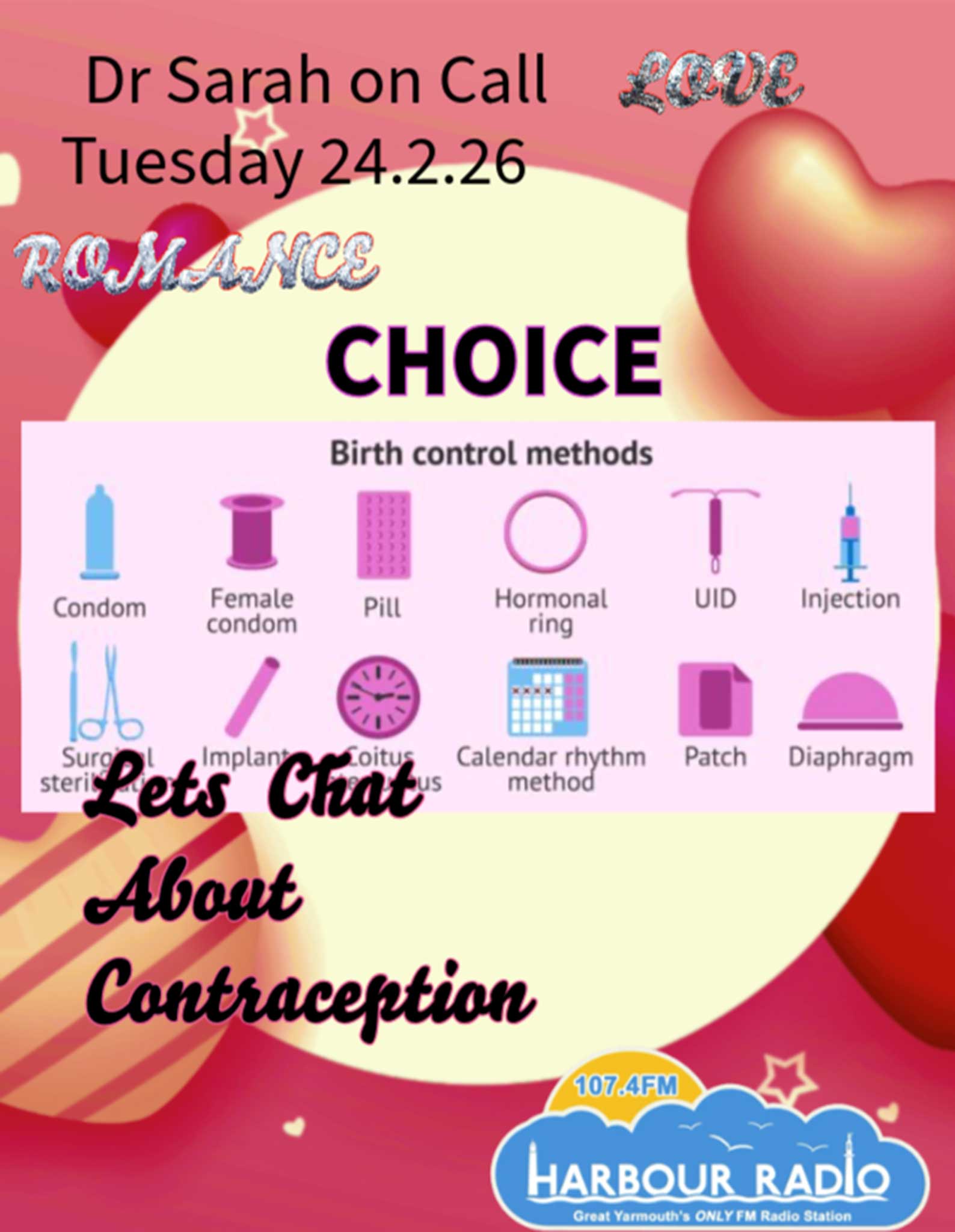
And yet, contraception is never one-size-fits-all. Not everyone can use every method. Medical history matters. Culture matters. Beliefs matter. In the UK, frameworks like UKMEC guide clinicians to tailor contraception safely to the individual — recognising that every body is different. We also live in a new information age. The internet exposes young people to adult interpretations of sex that are not always positive or realistic. But it also provides access to knowledge previous generations never had. Understanding has expanded alongside exposure. Again — yin and yang.
Throughout history, contraception has reflected both power and possibility. There have been missteps, ethical lessons, and inequalities. But there has also been progress — more consent, more safety, more autonomy. Perhaps the deeper story is this: Human beings have always been trying to balance instinct and intention.
- Desire and responsibility.
- Magic and science.
- Conception remains extraordinary.
- Choice makes it intentional.
And maybe the most hopeful truth is that we now hold both — the wonder of life, and the wisdom to decide when to create it.